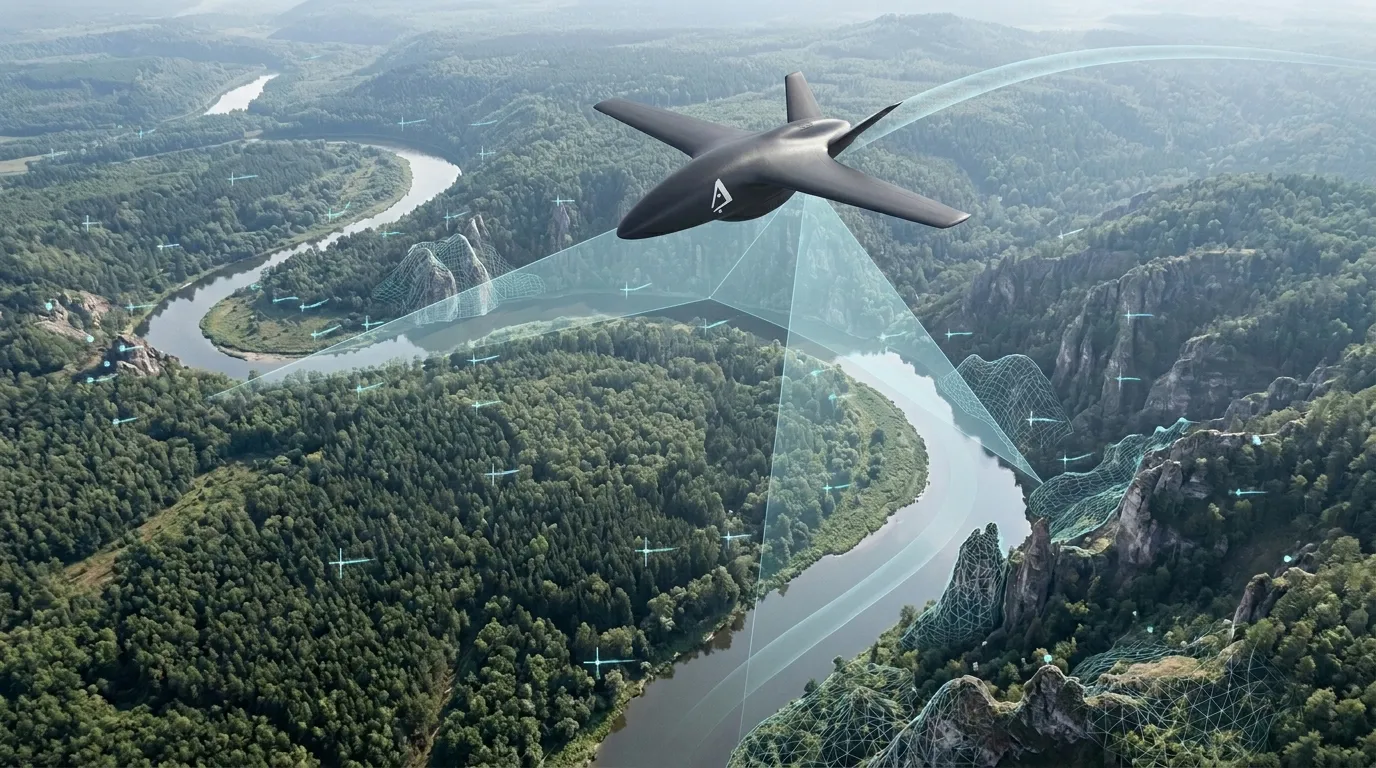
Most modern unmanned systems perform a mission according to a predetermined scenario: the route is set before the flight begins, mission points are known in advance, and deviations are handled by separate programmed modes.
This approach is effective in stable environments where operating conditions can be predicted fairly accurately. However, real autonomous tasks often develop differently: the availability of routes changes, new observation objects appear, the state of equipment or the external environment changes.
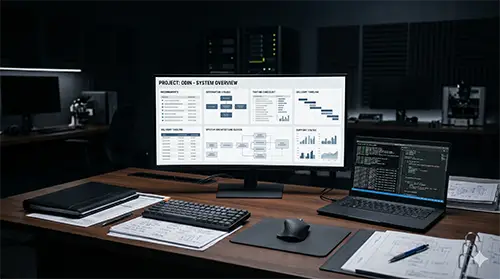
AERIS Mission OS explores a different approach - managing not a single route, but the entire logic of mission execution as a changing process.
From script execution to task management
In classical architecture, the device receives a set of sequential actions: go to a point, perform observation, transmit data, return.
But in a real environment, it is not the route itself that matters, but the achievement of the final goal. If conditions change, the optimal way to complete a task may also change.
Mission OS views a mission as a system of interconnected goals, constraints, and available actions.
- what needs to be done;
- what resources are available;
- what restrictions are currently in effect;
- what changes have occurred in the external environment;
- which option for continuing the task best suits the current situation.
Mission as a living process
During autonomous flight, the state of the environment is constantly changing. New data can change task priorities even before the current stage is completed.
Therefore, Mission OS views mission execution not as a linear sequence of commands, but as a continuous process of assessing the state and selecting further actions.
The device must not only carry out the instructions received, but also understand how the correspondence between the current situation and the original goal has changed.
The connection between perception and planning
An autonomous system becomes effective only when information about the world influences further behavior.
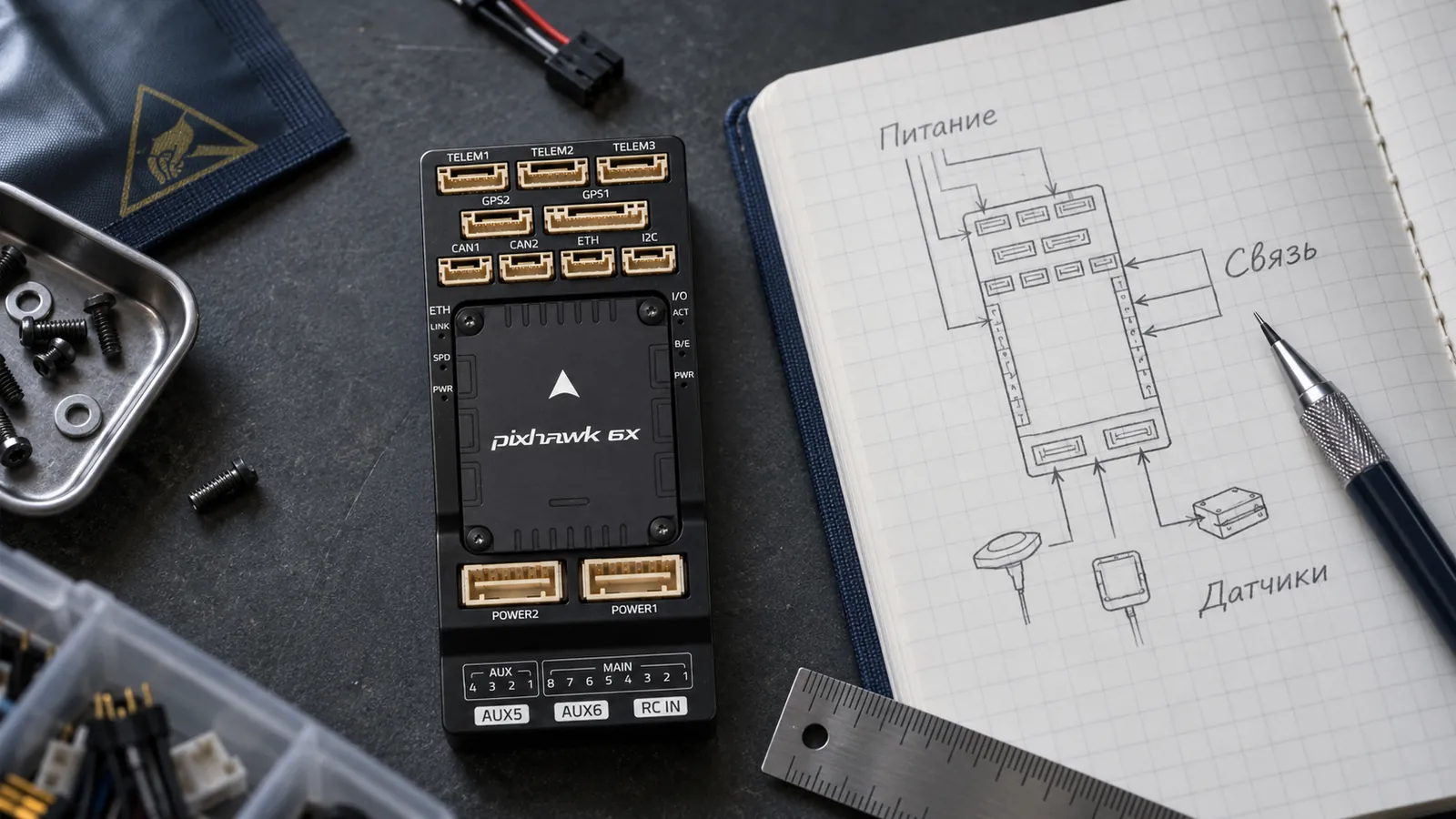
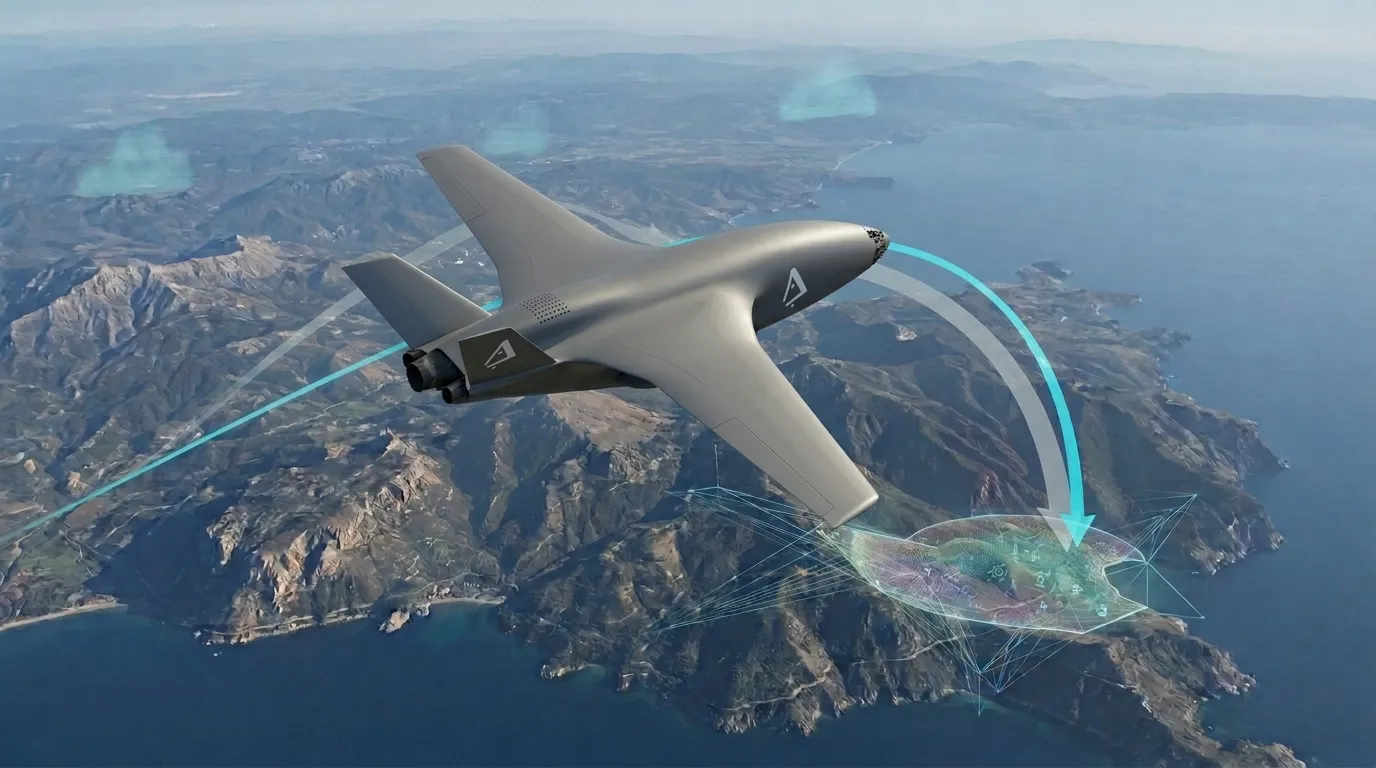
Data from sensors, navigation systems and onboard computing modules provide a current view of the mission state. Based on it, the system can assess the need to change further actions.
Mission OS integrates these processes into a single environment where monitoring, analysis and task execution are seen as connected elements.
Working under conditions of uncertainty
The real environment rarely provides a complete set of information in advance. Some conditions become known only during the execution of the task.
An autonomous system must take into account not only what is already known, but also changes in the level of available information.
For example, if a certain area turns out to be insufficiently explored, the system should take this into account during further planning. If one element of the task becomes unavailable, the mission must determine the most rational way to continue.
Priorities instead of fixed commands
One of the key principles of Mission OS is the transition from a set of rigid commands to working with task priorities.
This allows the system to maintain the overall meaning of the mission even when the specific way it is accomplished changes.
- the main goal remains the same regardless of changing conditions;
- secondary tasks can change their priority;
- resources are distributed depending on the current situation;
- The system takes into account the limitations of the device and the environment.
Mission energy, time and resources
An autonomous device always operates under restrictions. Energy reserves, flight time, computing resources and communication availability directly affect the ability to complete a task.
Mission OS views these restrictions not as individual parameters, but as part of the overall mission picture.
The decision to continue, change, or terminate an activity must consider not only its utility but also its cost to the entire system.
Coordinating multiple autonomous platforms
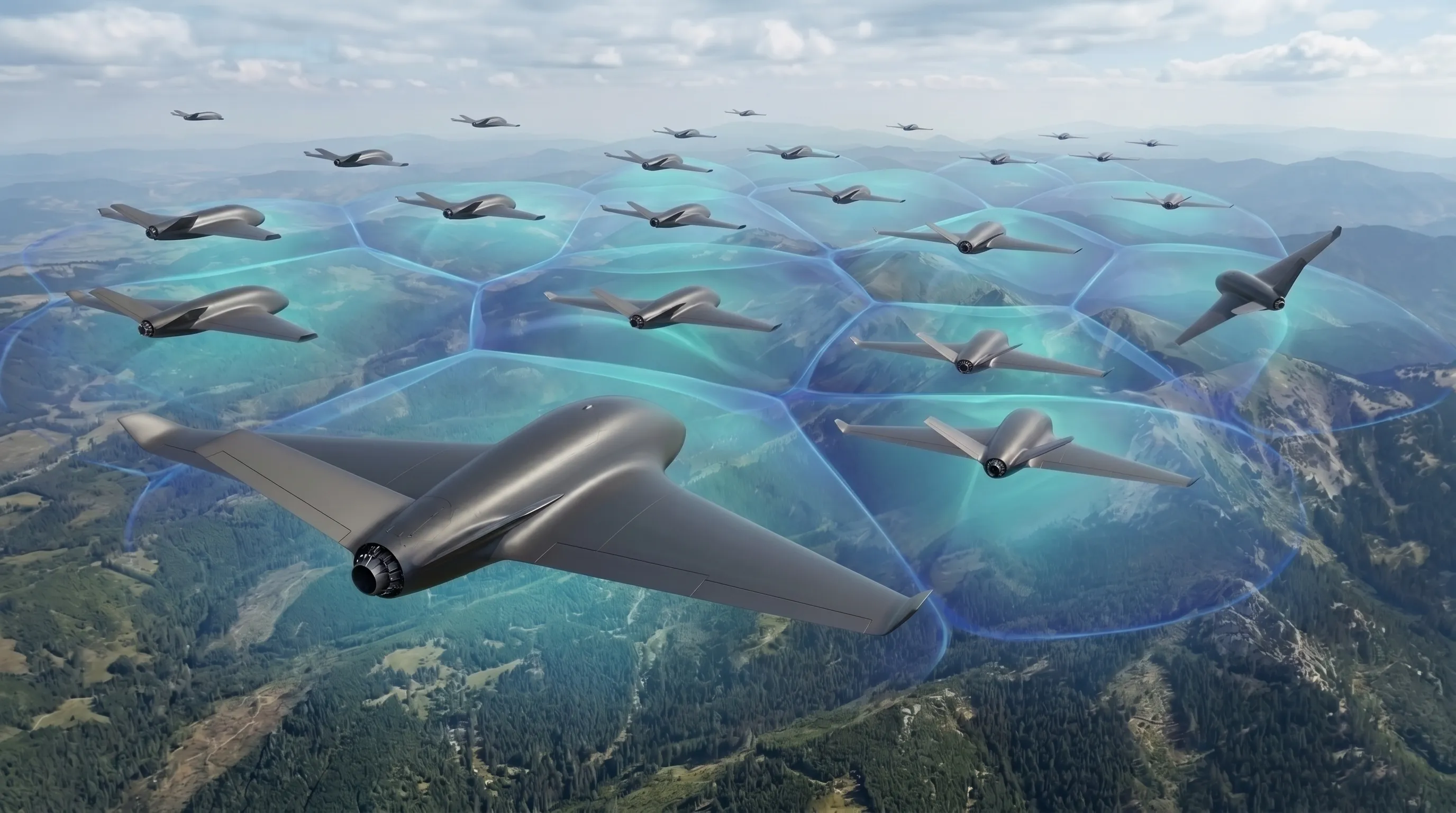
For a single vehicle, mission control is already a complex task. When multiple autonomous participants emerge, an additional level of coordination arises.
Mission OS creates a framework for managing complex systems where multiple platforms can perform a common task, sharing available functions among themselves.
In such an architecture, a separate vehicle becomes not just a route executor, but a participant in the overall mission system.
Engineering Application
Mission OS is designed for autonomous systems that need to operate in a changing environment and make decisions throughout the mission.
Possible areas of application:
- research flights;
- long-duration autonomous observation missions;
- working in areas with incomplete information;
- distributed groups of autonomous vehicles;
- tasks where conditions change after execution begins.
Constraints and engineering challenges
The more freedom an autonomous system receives, the higher the requirements for the quality of situation assessment and the verifiability of decisions made.
Autonomous behavior modification must remain consistent with the original task and respect the physical limitations of the platform.
- it is necessary to maintain predictability of system behavior;
- the plan change must not violate security restrictions;
- decisions must take into account available resources;
- the system must work correctly with incomplete information;
- Each new level of autonomy requires experimental verification.
The AERIS approach
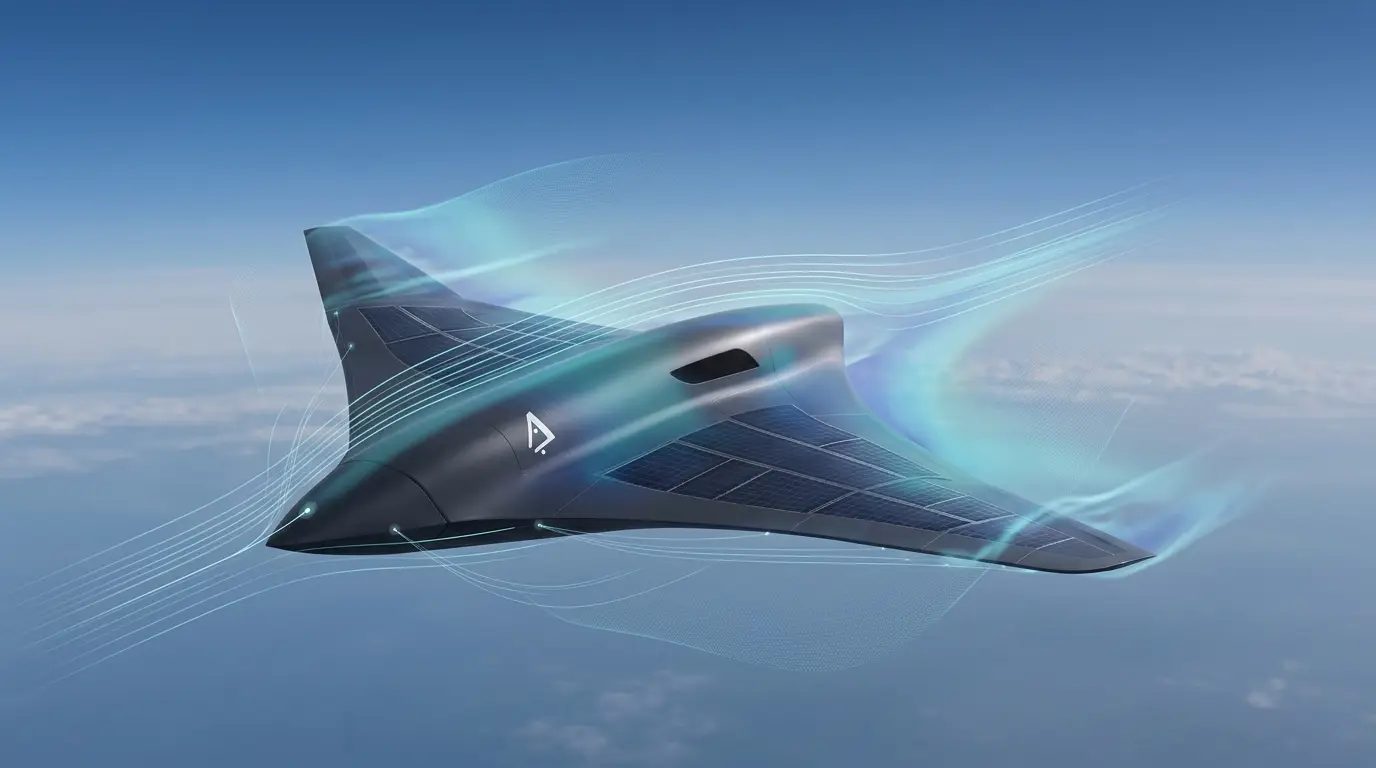
AERIS views next-generation autonomy not as a simple increase in the number of automatic functions, but as the ability of a system to independently maintain a given task in a changing environment.
Mission OS forms a control layer that links mission perception, planning, and execution into a single architecture.
The goal of the project is to create the basis for autonomous platforms that can not only operate according to a predetermined scenario, but also maintain efficiency when conditions change during the mission itself.
The internal architecture of software components, decision-making methods and control algorithms of Mission OS are part of AERIS research developments and are not disclosed in public materials.