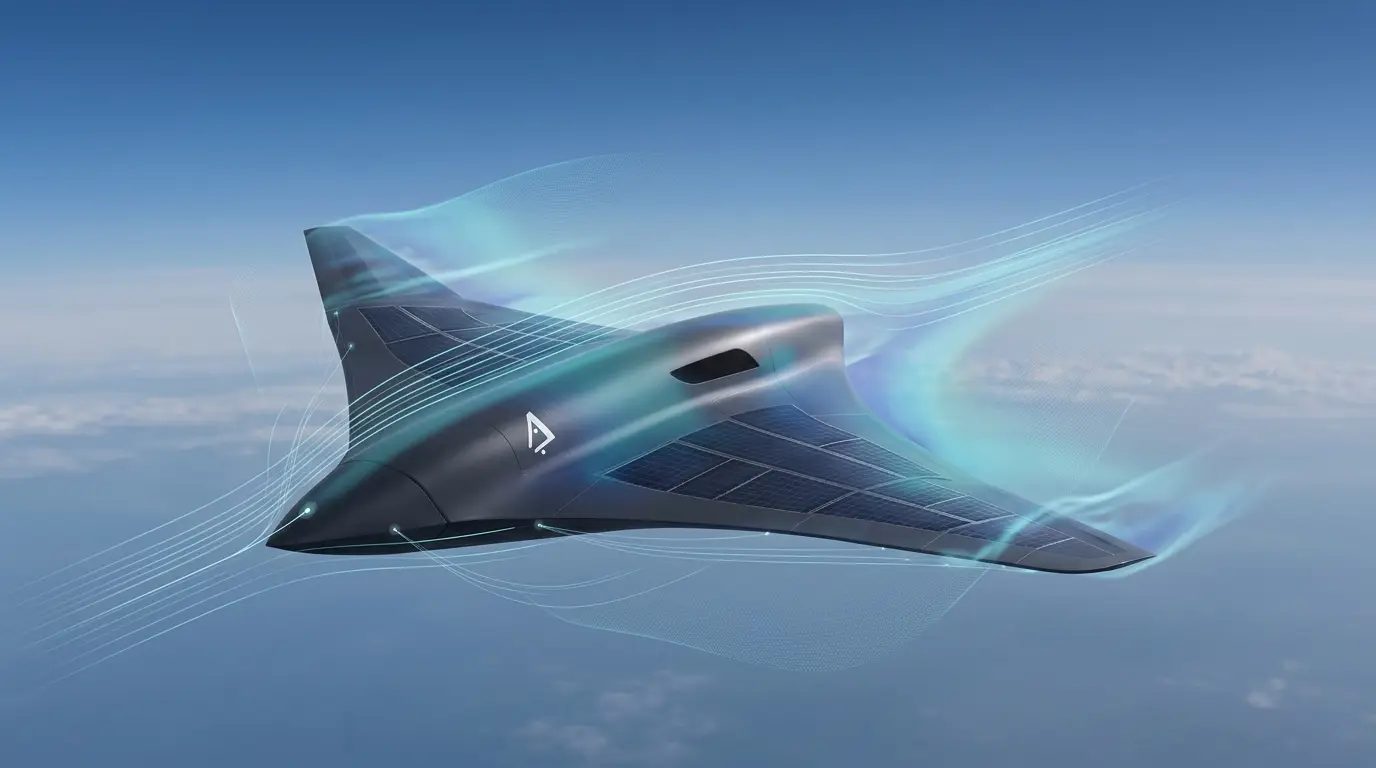
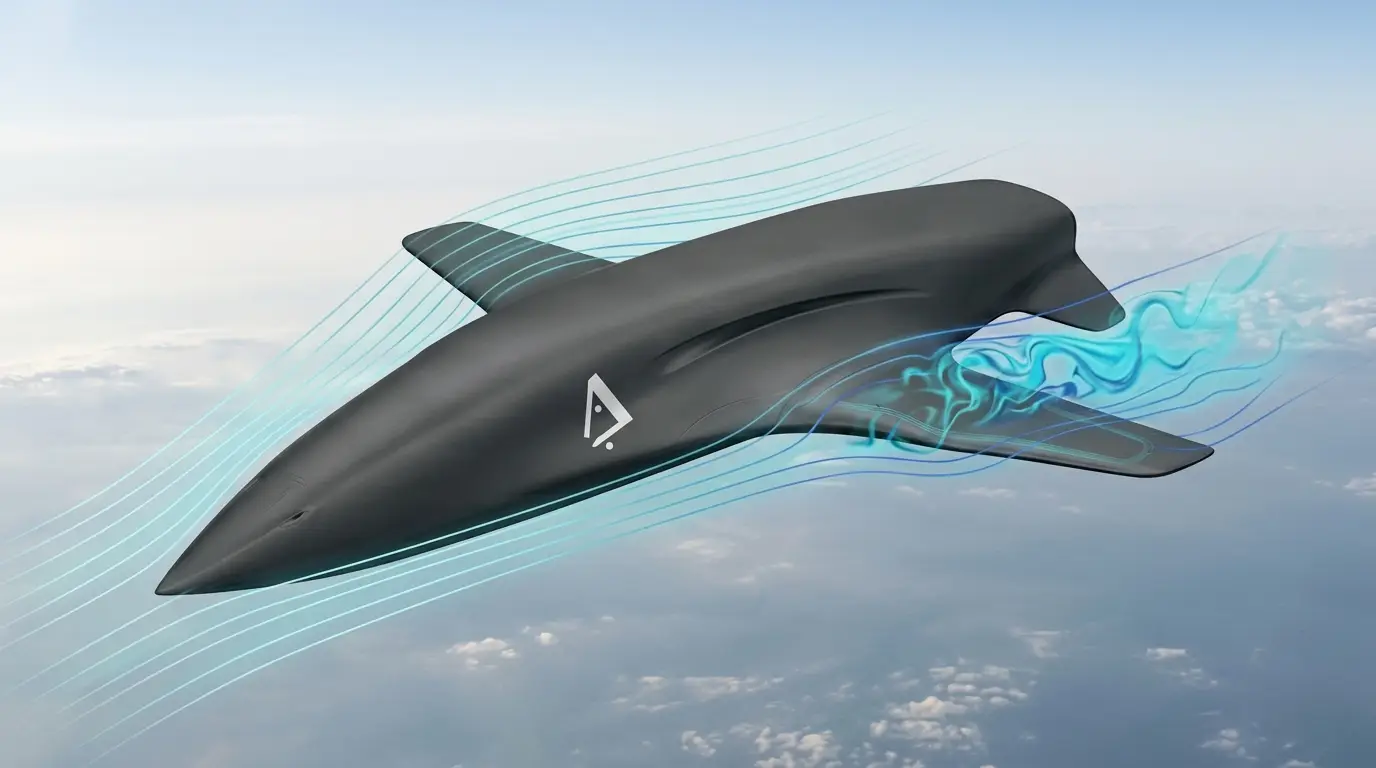
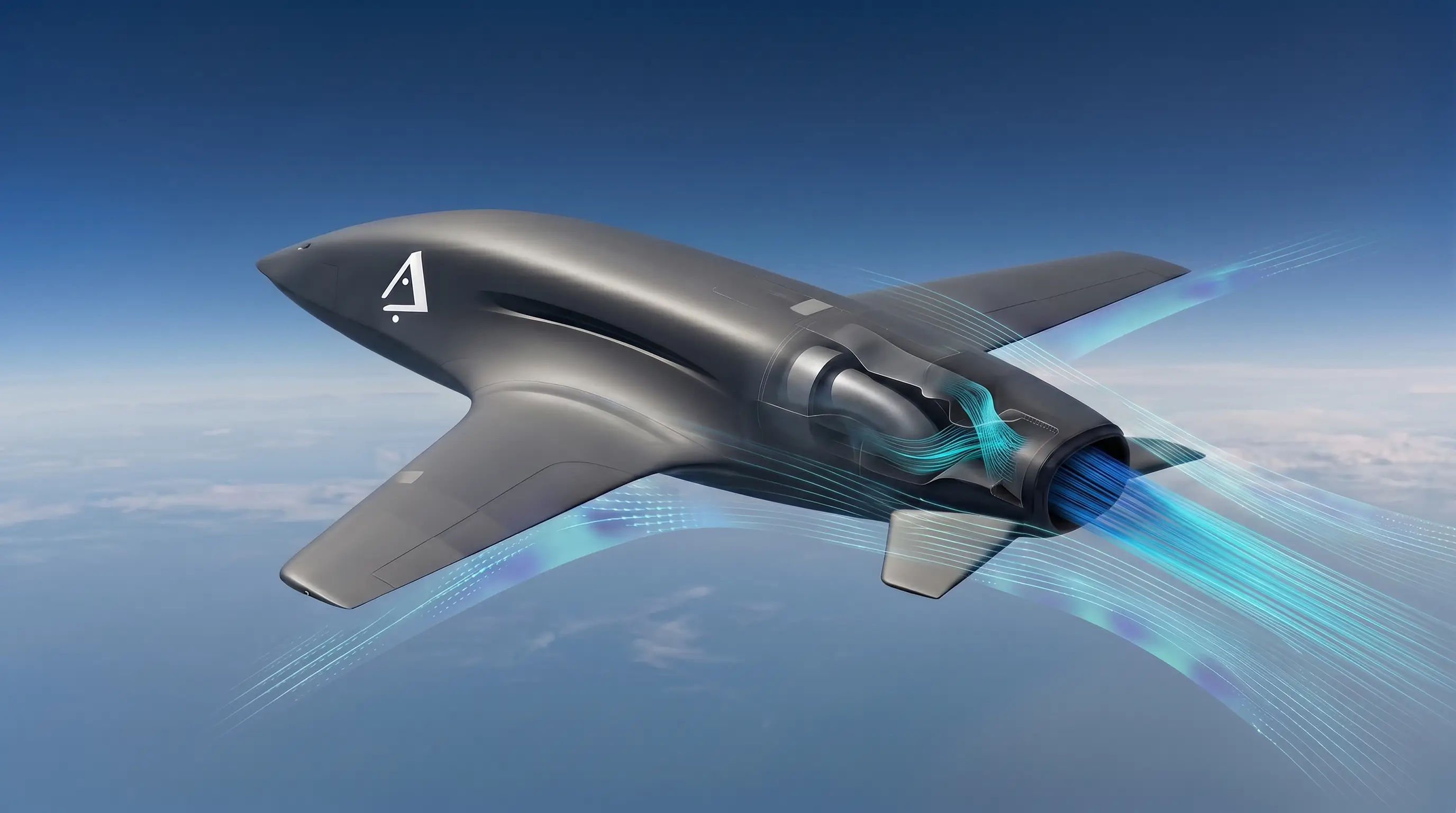
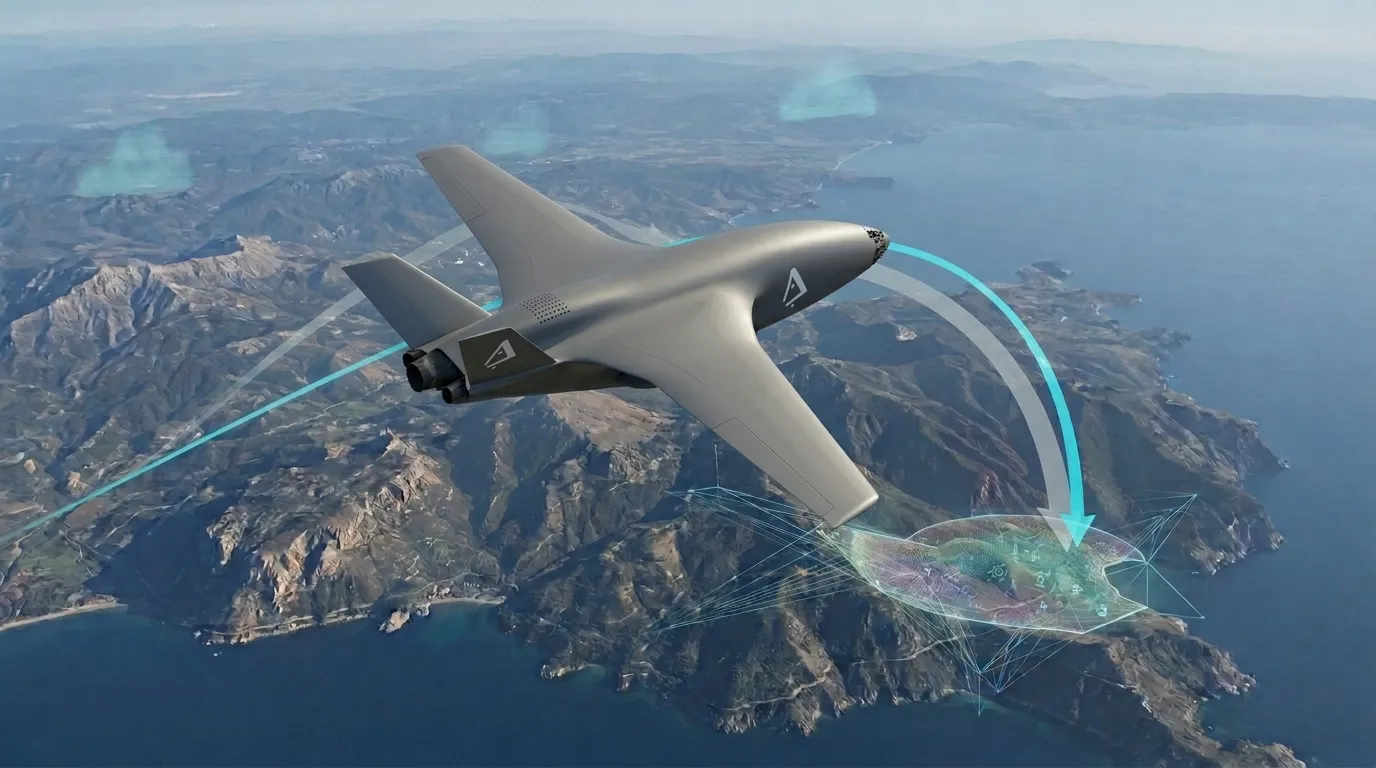
The surface of the aircraft constantly interacts not only with the air flow. During flight, it becomes part of the electrical environment of the atmosphere, accumulates charge and participates in the processes of its redistribution and dissipation.
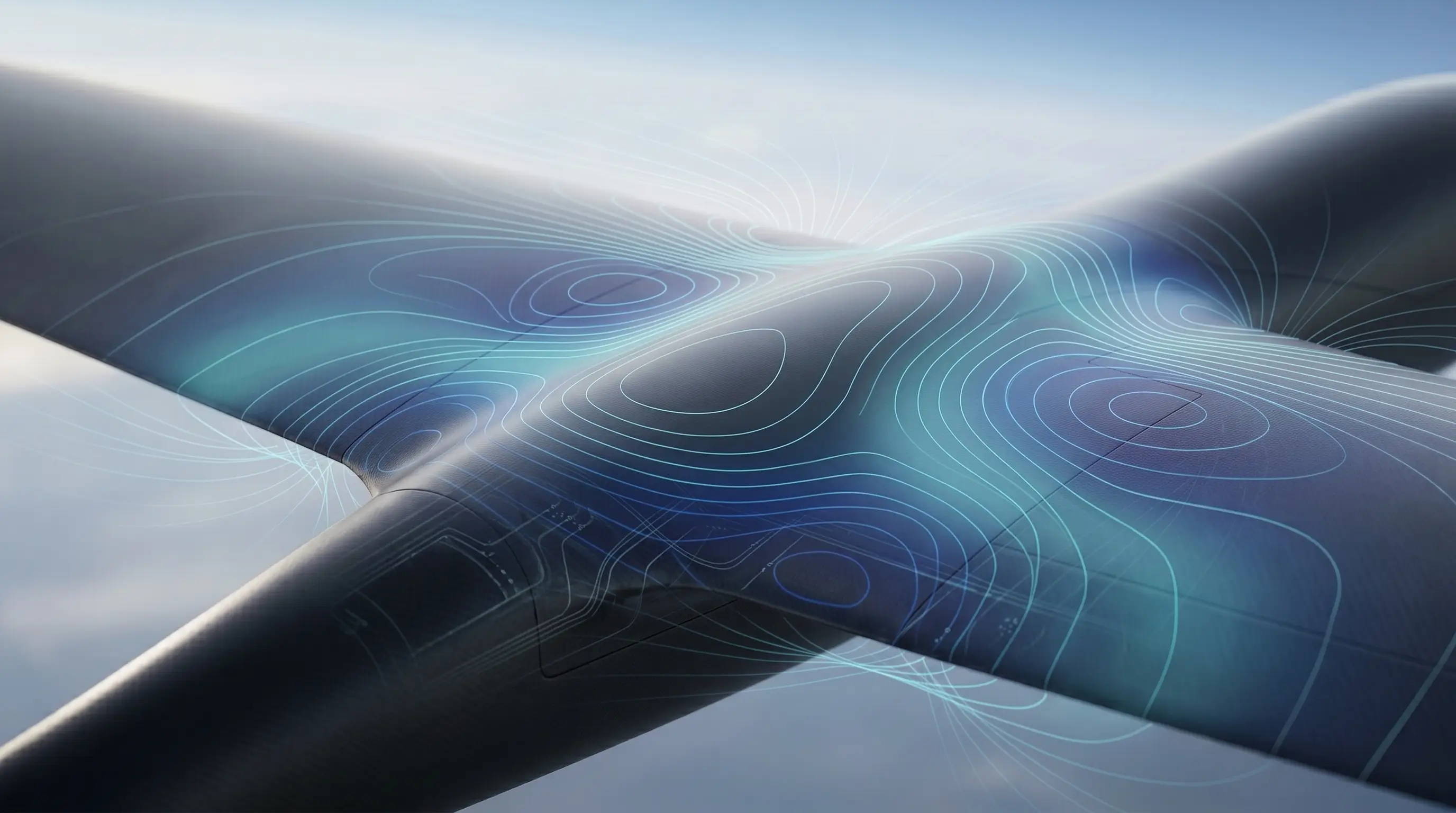
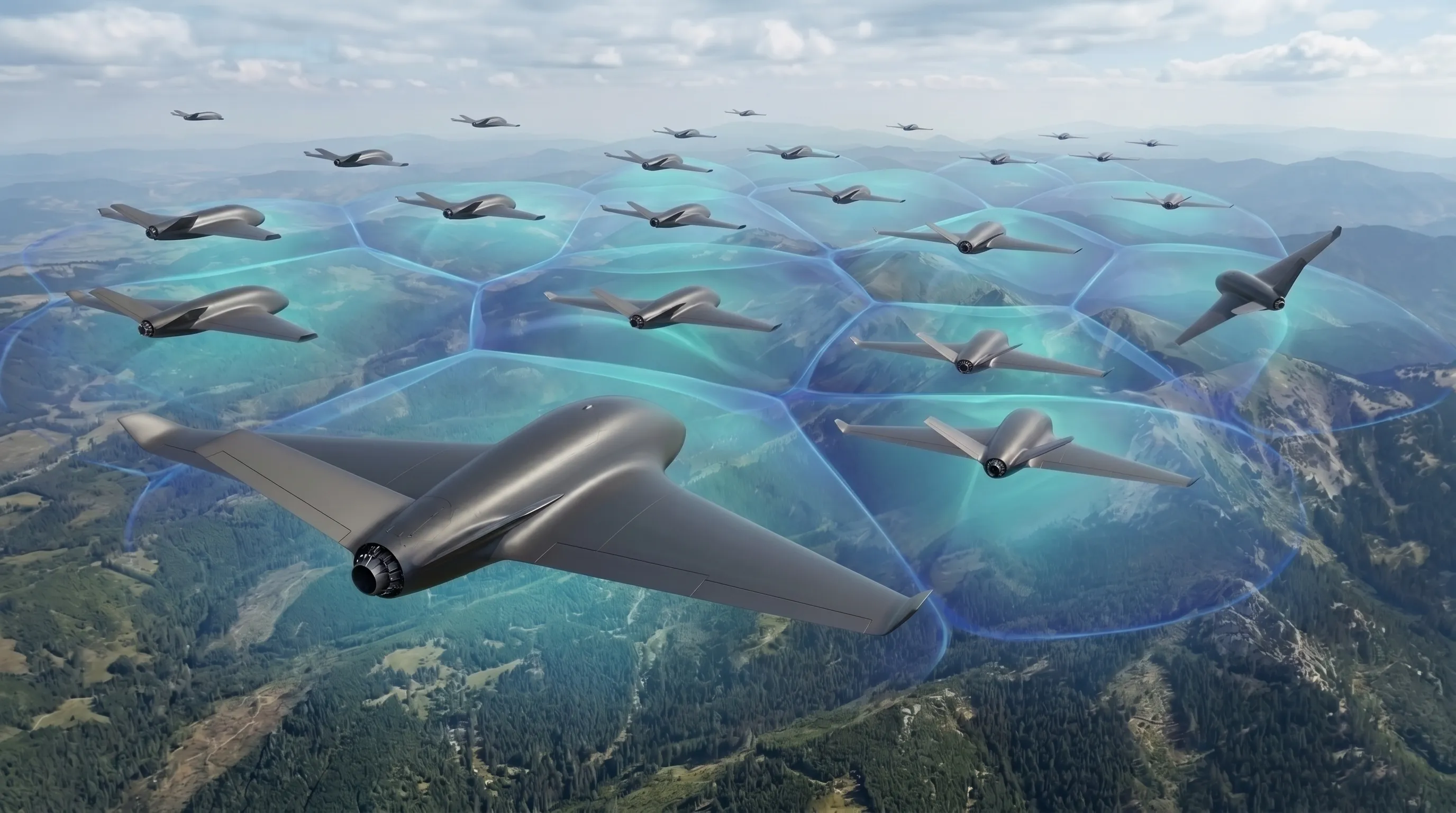
AERIS AEC-1 - Adaptive Electrostatic Capture, a research arm of CloudSkin - is looking at the possibility of turning this usually secondary physical phenomenon into a controlled process. Instead of a single passive shell, the surface of the vehicle is divided into functional electrical segments, the state of which can be measured, compared and used in the onboard system.
Atmosphere as an electrical medium
Even in the absence of a thunderstorm, the atmosphere has an electric field, and a moving aircraft can acquire additional charge due to interaction with particles, drops, aerosols and the surrounding air.
For aviation equipment, the accumulation of static electricity is traditionally an undesirable effect. The charge must be safely dissipated as it can affect electronics, communications and measurement systems.
CloudSkin is exploring the possibility of complementing this approach. Instead of treating the electrical state of a surface solely as a disturbance, the system attempts to measure it spatially and control the further movement of the charge.
Why is the surface divided into segments?
The electrical state of different parts of the aircraft is not necessarily the same. Geometry, material, flow velocity, humidity, airborne particles, and local flow conditions can influence charge accumulation and redistribution.
Therefore, AEC-1 does not consider one overall conductive layer, but a set of electrically controlled surface areas.
- each area can be characterized by its own electrical potential;
- the state of different areas of the surface can be compared with each other;
- the charge can be directed along a controlled path;
- excess accumulation must be safely contained and neutralized;
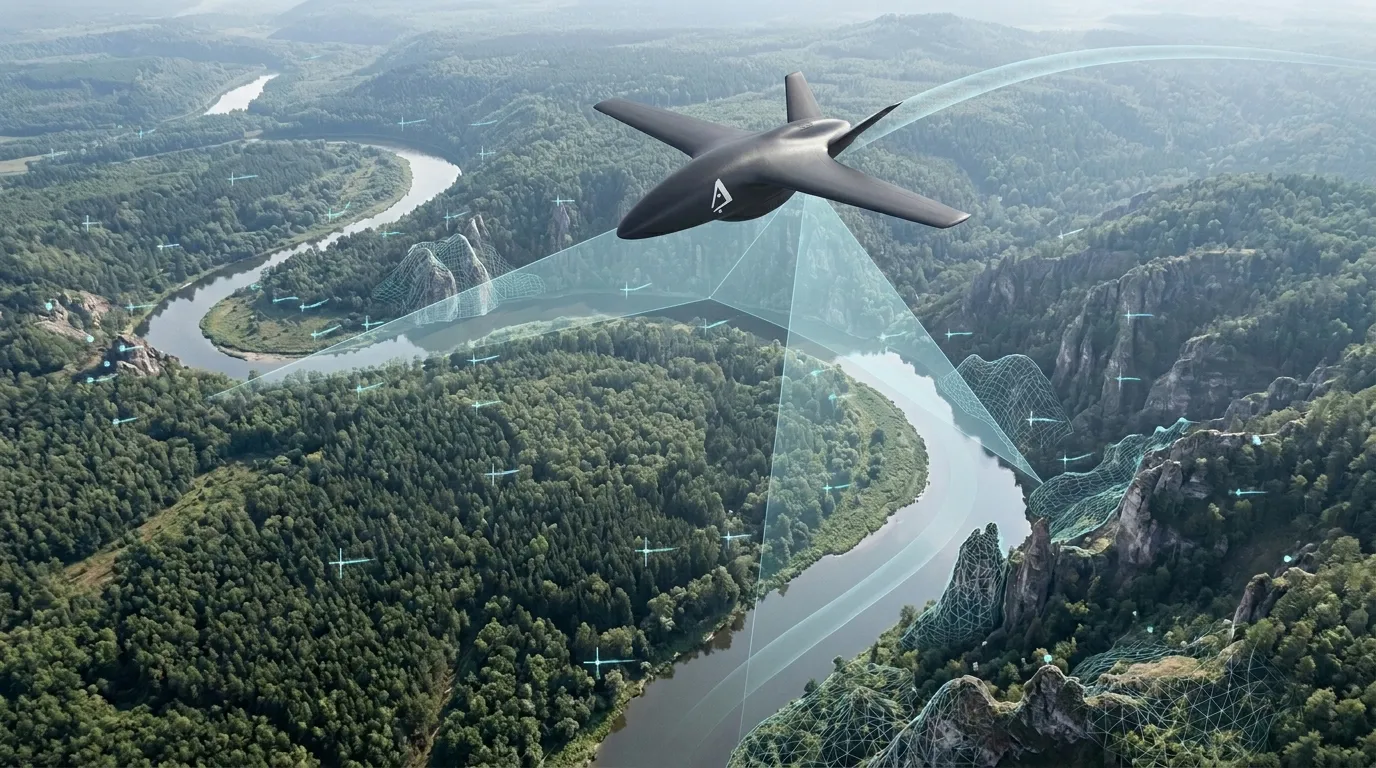
- the spatial picture of the electrical state becomes a separate source of data.
This separation transforms the enclosure from a single electrical object into a distributed monitoring and control system.
Measure before collection
For CloudSkin, it is fundamentally important to first determine what exactly happens to the electrical state of the surface in real flight. The potential, rate of charge accumulation and available energy can vary significantly depending on the environment and driving mode.
Therefore, the initial task of AEC-1 is not to maximize energy extraction, but to build an experimental picture:
- where a measurable potential appears on the surface;
- how it changes over time;
- which areas behave differently;
- how the electrical state is related to flight conditions;
- what part of the observed process can be used practically.
Only after this can the energy value of such interaction be correctly assessed.
Controlled charge collection
If a useful potential difference arises between individual areas of the surface or between the surface and the internal electrical circuit, it can be considered as a source of small electrical flow.
In CloudSkin's research architecture, such a flow does not need to be directly connected to sensitive onboard electronics. An intermediate circuit is required between the surface and the consumer, which limits the voltage, converts the available energy and transfers it to the storage element.
As a result, the electrically active surface is considered as an intermittent low-power source, the characteristics of which are determined by the environment.
Not the main source of energy
CloudSkin is not intended to be a replacement for the UAV's main battery or propulsion system.
The electric field of the atmosphere under normal conditions does not contain power comparable to the energy consumption of the propulsion system of the aircraft. Therefore, the project task is much narrower and more realistic.
Of potential interest is power or support for low-power features:
- distributed sensors;
- surface condition controllers;
- periodically operating measuring units;
- emergency low-power channels;
- slow recharging of local energy storage devices.
The practical value of the technology will be determined not by the peak voltage, but by the real energy that can be consistently obtained after all conversion losses.
Electrical state as an additional sensing channel
Even if the available power turns out to be small, distributed electrical measurements can have research value in their own right.
A change in the electrical state of the surface potentially contains information about the environment and the nature of the device’s interaction with it. Therefore, CloudSkin is considered both an energy and a measurement architecture.
In this case, the result of the system’s operation is not only the accumulated charge, but also a spatiotemporal set of data on the state of the surface during flight.
Adaptive Surface Control
The A in the name Adaptive Electrostatic Capture reflects the idea of controlled operation. Different surface segments do not necessarily have to be in the same electrical state at all times.
The system can select the mode depending on the current measurements:
- monitoring the electrical condition of the site;
- connecting the area to the storage circuit;
- limiting further accumulation;
- equalization of potentials between individual areas;
- Safe dissipation of excess charge.
Thus, CloudSkin explores not just an electrically conductive shell, but a surface with several controlled electrical modes.
Integration into UAV design
One of the key questions of AEC-1 is how to add electrical function to the surface without turning the aircraft into a collection of external electrodes and conductors.
For AERIS, an integrated approach is fundamental: functional areas must become part of the shell itself or its technological layer.
In this case, it is necessary to simultaneously take into account several requirements:
- minimal impact on the aerodynamic surface;
- electrical insulation of individual functional areas;
- mechanical resistance of the coating;
- resistance to humidity and pollution;
- compatibility with radio communications and onboard sensors;
- controlled behavior when one of the segments is damaged.
Electrical Architecture Safety
High electrical potential by itself does not mean there is a large amount of available energy. However, even a low-power, high-voltage process can cause problems for sensitive electronics.
Therefore, electrical safety is part of the CloudSkin architecture from the very beginning. The research system must provide separation between the functional surface and the main onboard circuits, limit the current and prevent uncontrolled discharge through the electronics of the device.
Separately, it is necessary to take into account that CloudSkin is not intended for use in hazardous lightning conditions and does not consider lightning as a source of energy.
What needs to be tested experimentally
The main unknown of AEC-1 is not the ability to record electrical potential per se, but the practical balance of the system on a real aircraft.
The experiment must show how reproducible the distributed electrical state of a surface is and what useful information or energy can be obtained after taking into account mass, resistance, leakage and conversion losses.
- measuring potentials on various surface areas;
- study of the dependence on flight mode and atmospheric conditions;
- estimating available power, not just voltage;
- measurement of losses in the converting circuit;
- checking the system's influence on communications and onboard electronics;
- assessment of behavior under contamination, humidity and surface damage.
Limitations of the Research Approach
The main limitation of CloudSkin is determined by the very physics of the environment: the available energy is variable and in a normal atmosphere can be very small.
Therefore, the technology makes sense only if the beneficial effect exceeds the weight, complexity and inherent energy consumption of the measuring and converting equipment.
- the electrical conditions of the atmosphere change significantly;
- high voltage does not mean high available power;
- humidity and contamination can increase surface leaks;
- additional layers should not impair the aerodynamics and reliability of the body;
- The system's own energy consumption must remain significantly lower than the resulting beneficial effect.
The AERIS approach
AERIS AEC-1/CloudSkin explores the possibility of adding electrical functionality to aircraft surfaces without creating a separate external power plant.
In this concept, the enclosure is considered simultaneously as a physical boundary of the apparatus, a distributed electrical measurement object, and a potential interface for harvesting a small portion of environmental energy.
The main goal of the project is to experimentally determine where the boundary lies between a measurable electrostatic effect and a practically useful system.
AEC-1 is at the basic research stage. AERIS views CloudSkin not as a ready-made alternative power source, but as a testable hypothesis about what additional functions the surface of a future unmanned vehicle may perform.