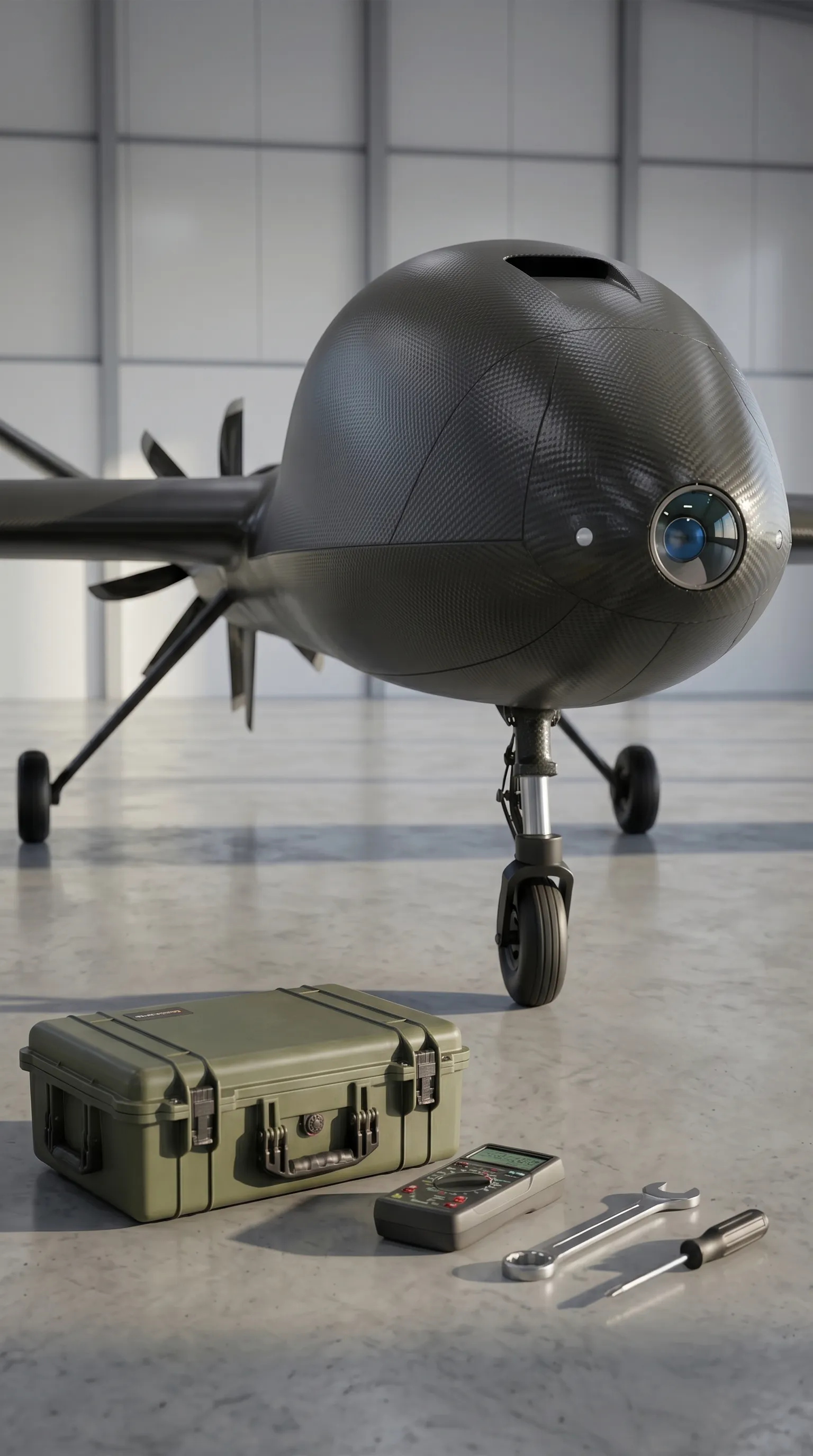
AERIS supplies off-the-shelf third-party unmanned aircraft systems for monitoring, inspection, mapping, aerial imaging and site surveys and other applications.
The configuration is determined by the parameters of a specific task: flight duration and range, area or extent of the object, required payload, characteristics of the data received, launch and landing conditions, communication channels and requirements for further operation.
Platform selection
The work begins with the technical requirements for the use of UAS. For area surveys, inspection of extended objects, local inspection and long-term monitoring, different aerodynamic designs, flight duration, equipment composition and operating methods are required.
When choosing a platform, the following are taken into account:
- type and duration of flight mission;
- required range and operating altitude;
- weight and dimensions of the payload;
- accuracy and composition of the data obtained;
- launch, landing and deployment conditions;
- temperature, wind and other operating restrictions;
- requirements for communications, telemetry and ground equipment;
- availability of consumables, spare parts and service.
Delivery Contents
The composition of the complex is formed according to the agreed operating scenario. Depending on the system selected, delivery may include aircraft, ground controls, payload, software, communications, battery and charging equipment, transportation solutions and spare parts kit.
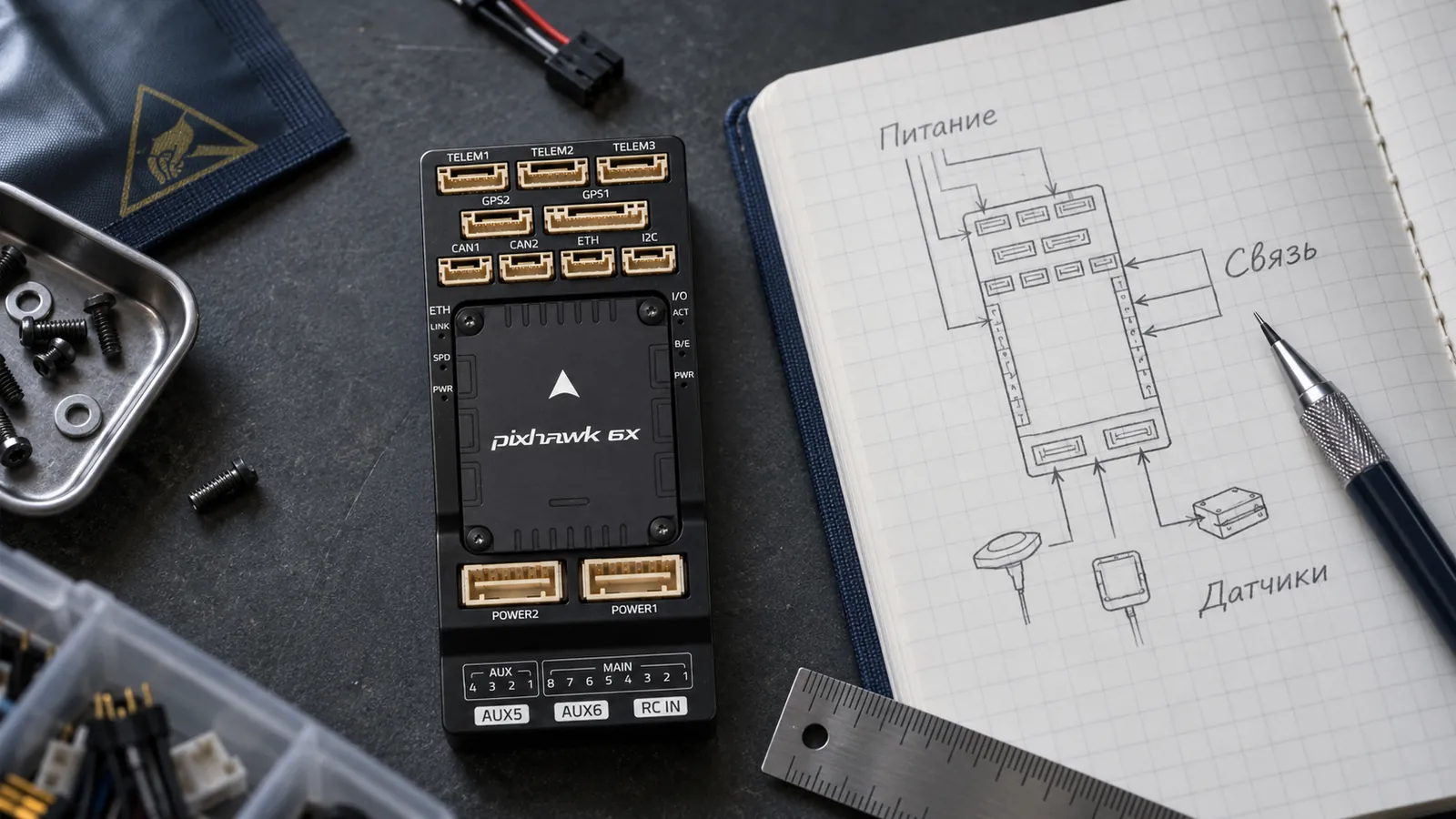
Special attention is paid to the compatibility of components. Payload weight, electrical power, communication interfaces, equipment placement, and manufacturer limitations are all checked before the final specification is generated.
Payload and data
The choice of sensor equipment is determined by the result that the customer should receive after the flight. For various tasks, photo and video cameras, thermal imaging modules, multispectral systems, laser scanners and specialized measuring instruments can be used.
The selection takes into account the resolution, survey geometry, viewing area, weight of equipment, stabilization requirements, volume of data and the further order of their processing.
Preparation for use
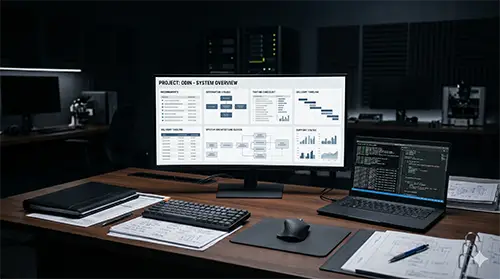
Before the complex is transferred, the operating configuration, completeness and operating procedures are agreed upon. If necessary, the equipment is configured, the interaction of components is checked, and the software is prepared.
The customer receives a delivery specification and documentation for the equipment used. Additionally, spare parts, consumables, personnel training and subsequent technical support may be provided.
Applications
- monitoring of territories and infrastructure;
- inspection of industrial and linear facilities;
- aerial photography and mapping;
- thermal imaging examination;
- agricultural monitoring;
- geodetic and survey work;
- environmental observations;
- specialized aerial data collection.
Selection criteria
A production platform is justified in cases where its flight characteristics, permissible payload and operational parameters correspond to the task at hand without extensive structural modifications.
If there are several suitable systems, the characteristics of the complex as a whole are compared: performance in a given scenario, equipment composition, operational requirements, service availability and cost of ownership.
AERIS operation with production UAS
AERIS generates the configuration based on the customer's technical requirements and the characteristics of available commercial platforms. The scope of our work includes equipment selection, compatibility testing, delivery composition, complex preparation and further support.
If the task requires a special payload, deep modification of software or hardware, the project can be continued as part of the UAS system integration.