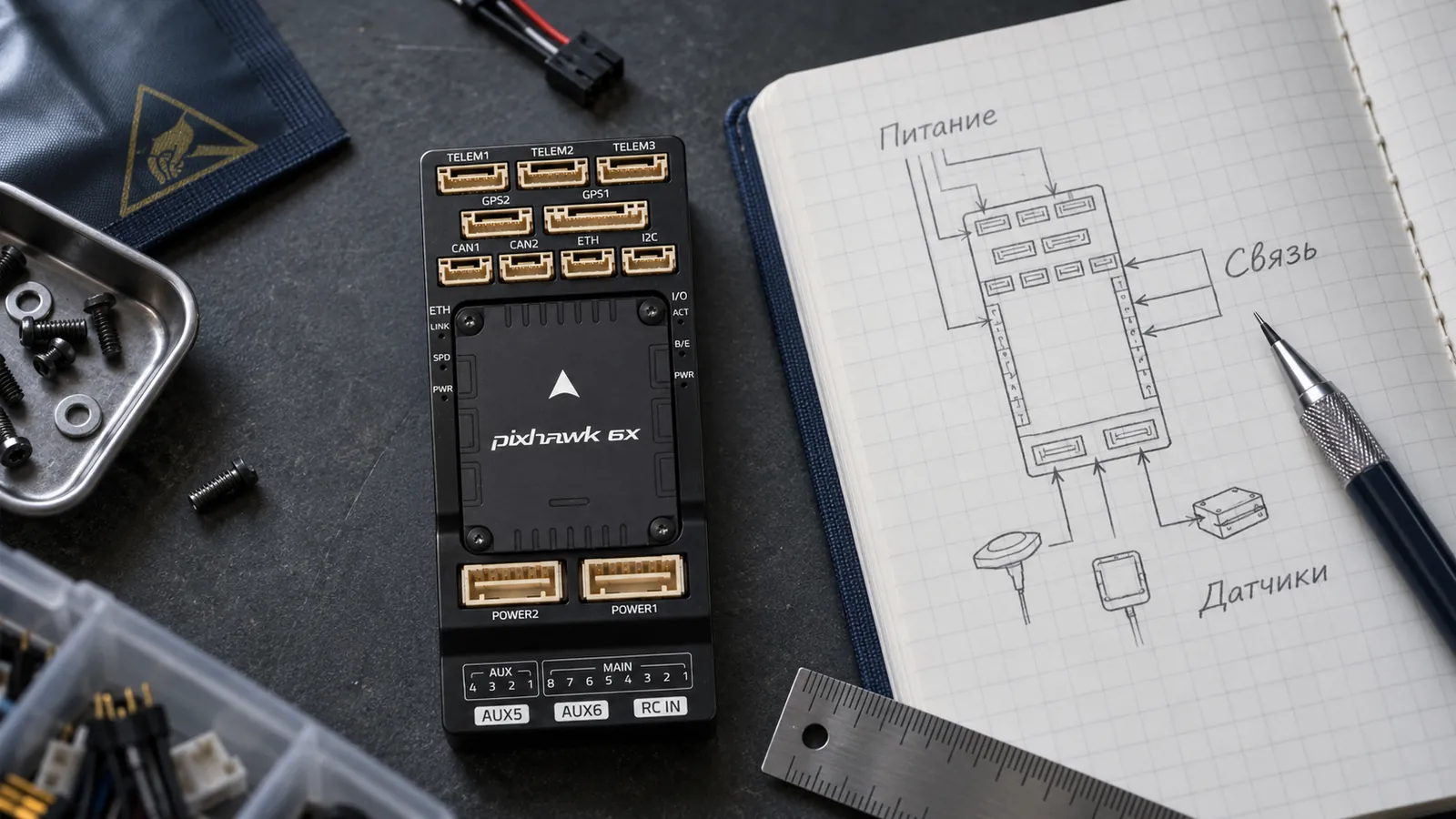
Most small unmanned aircraft systems obtain airflow information from a limited set of sources: an airspeed sensor, an inertial system, and, in more complex configurations, individual angle of attack or sideslip sensors. This is sufficient for many flight modes, but such a diagram practically does not show what is happening with the flow in different parts of the aircraft.
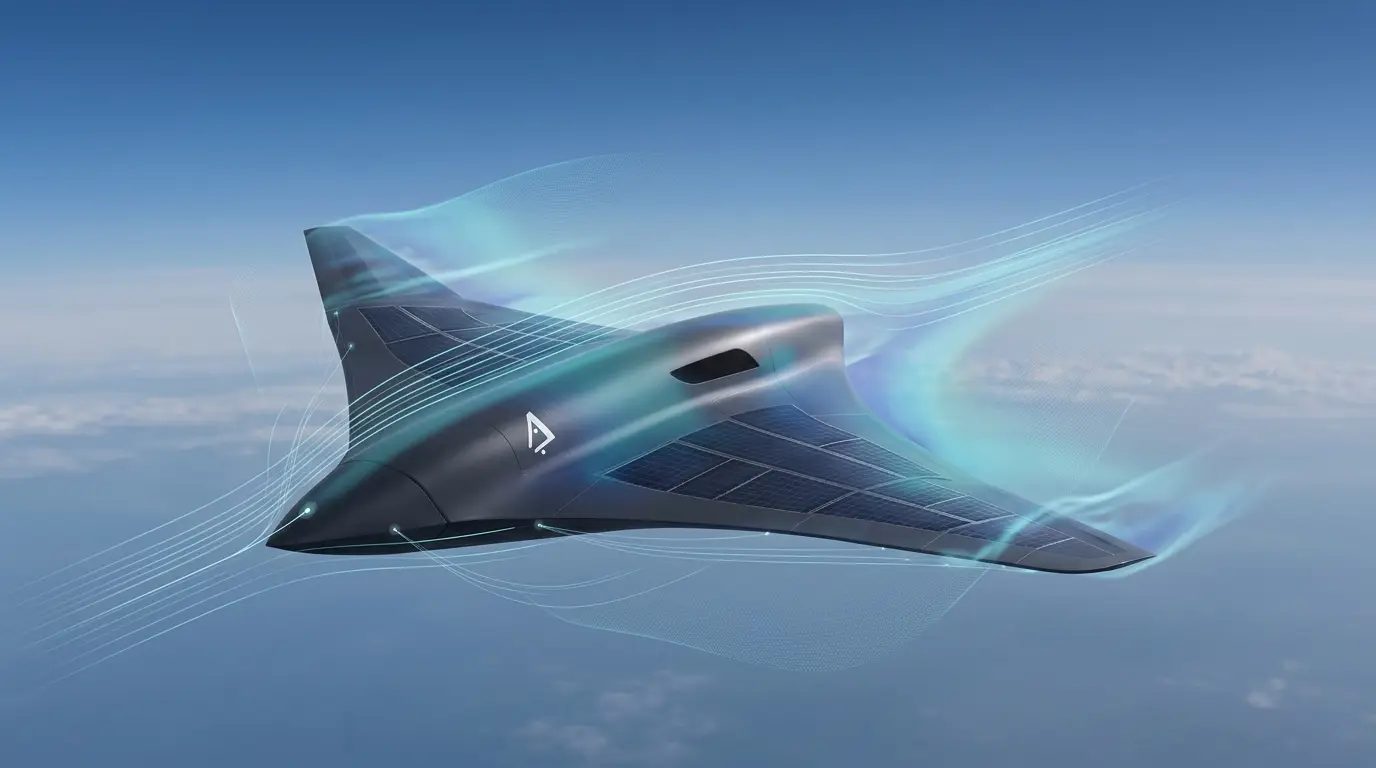
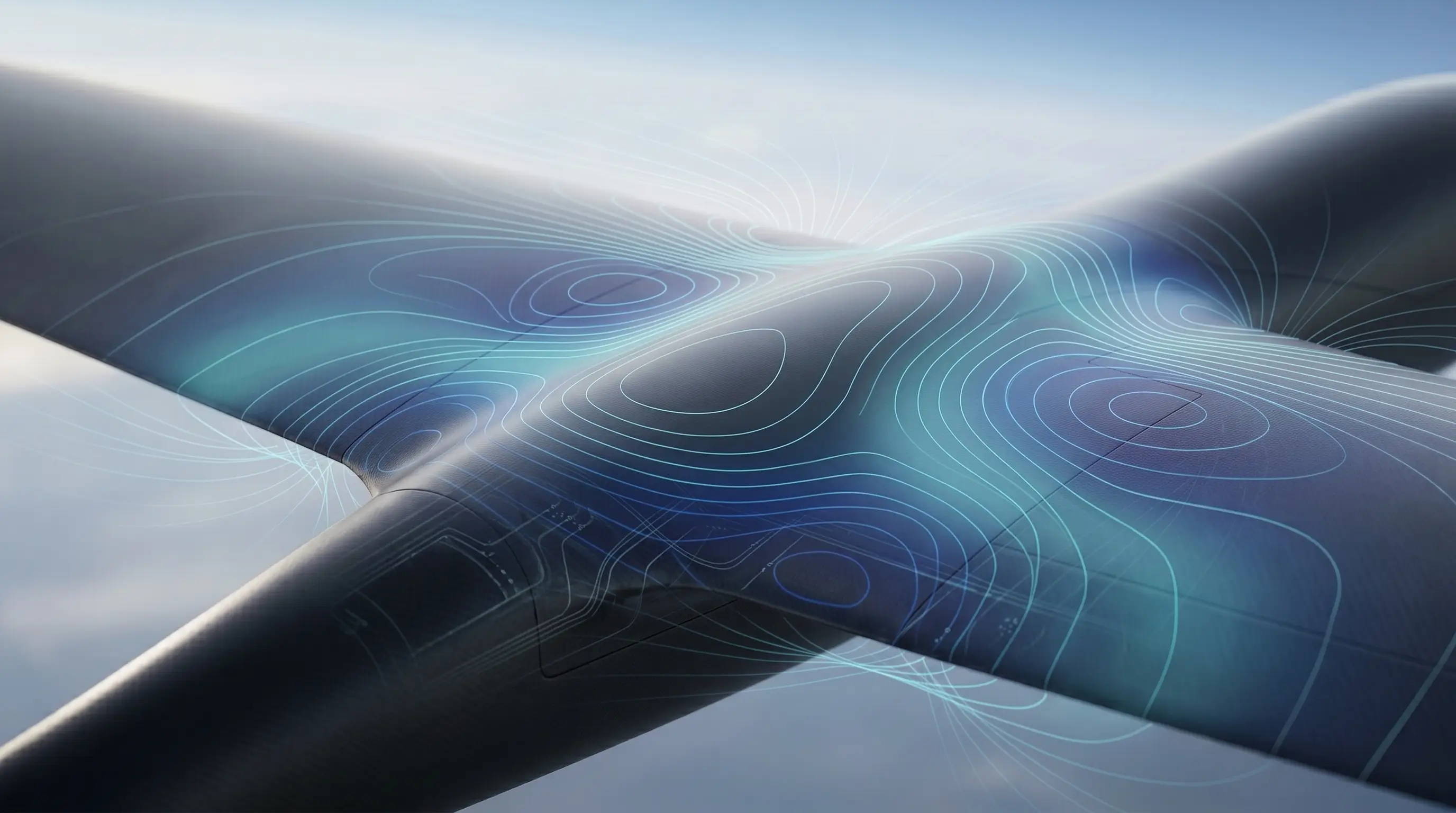
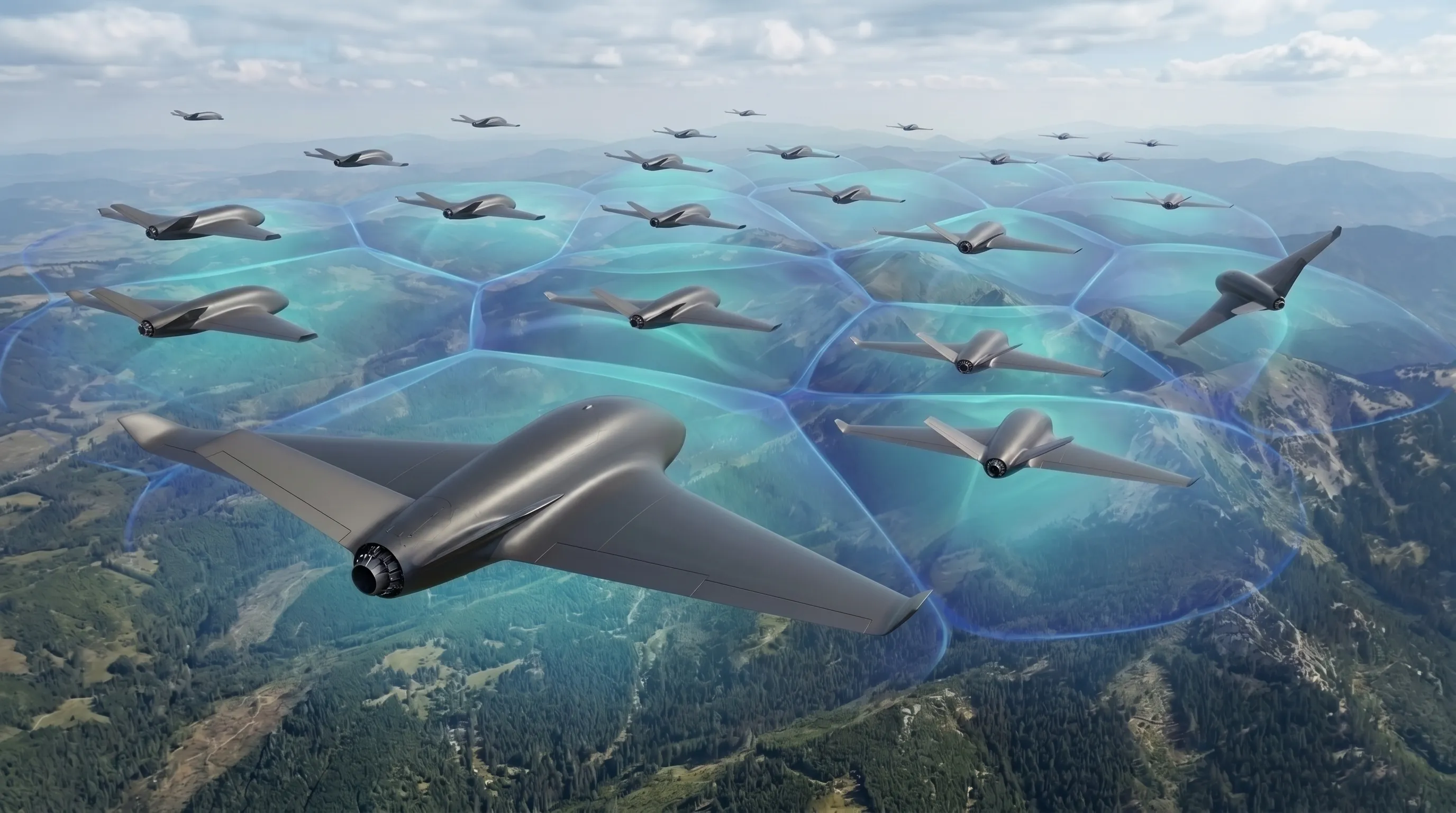
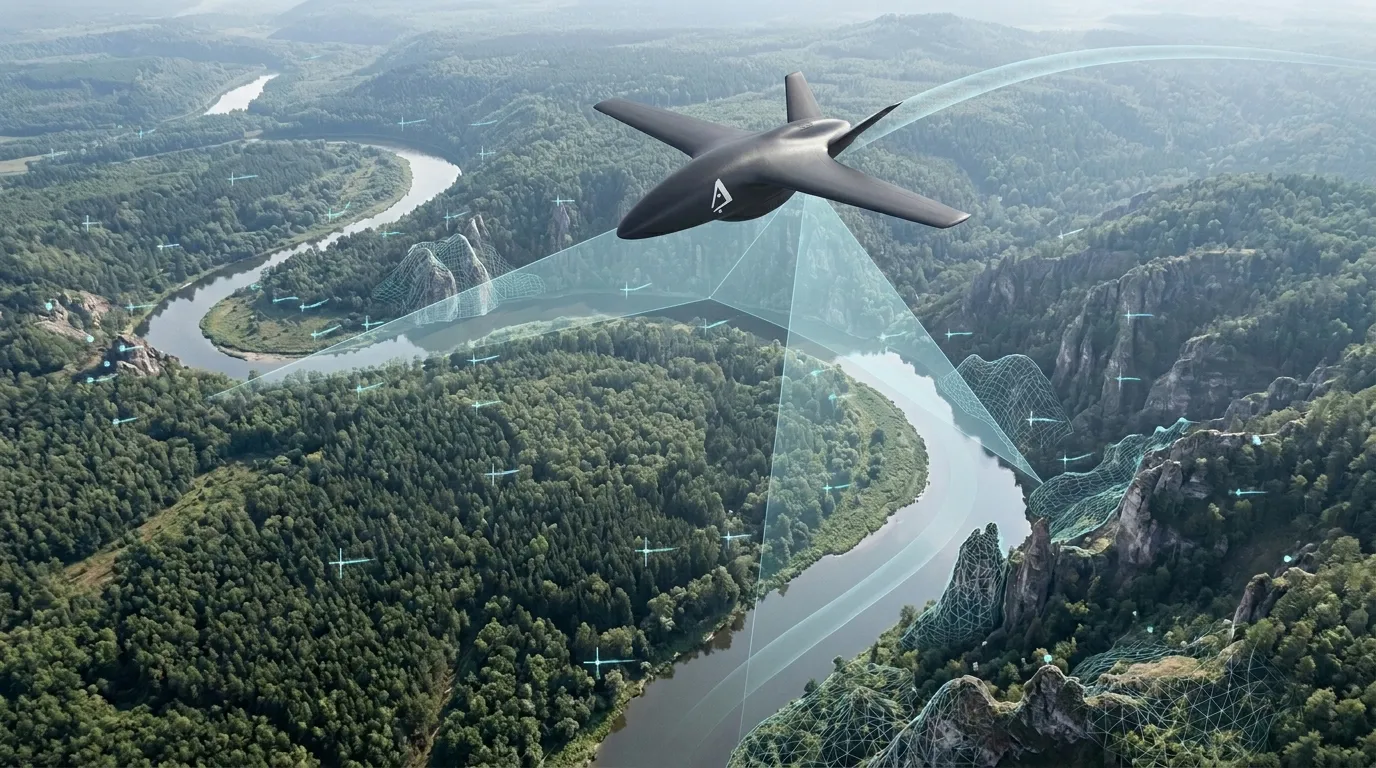
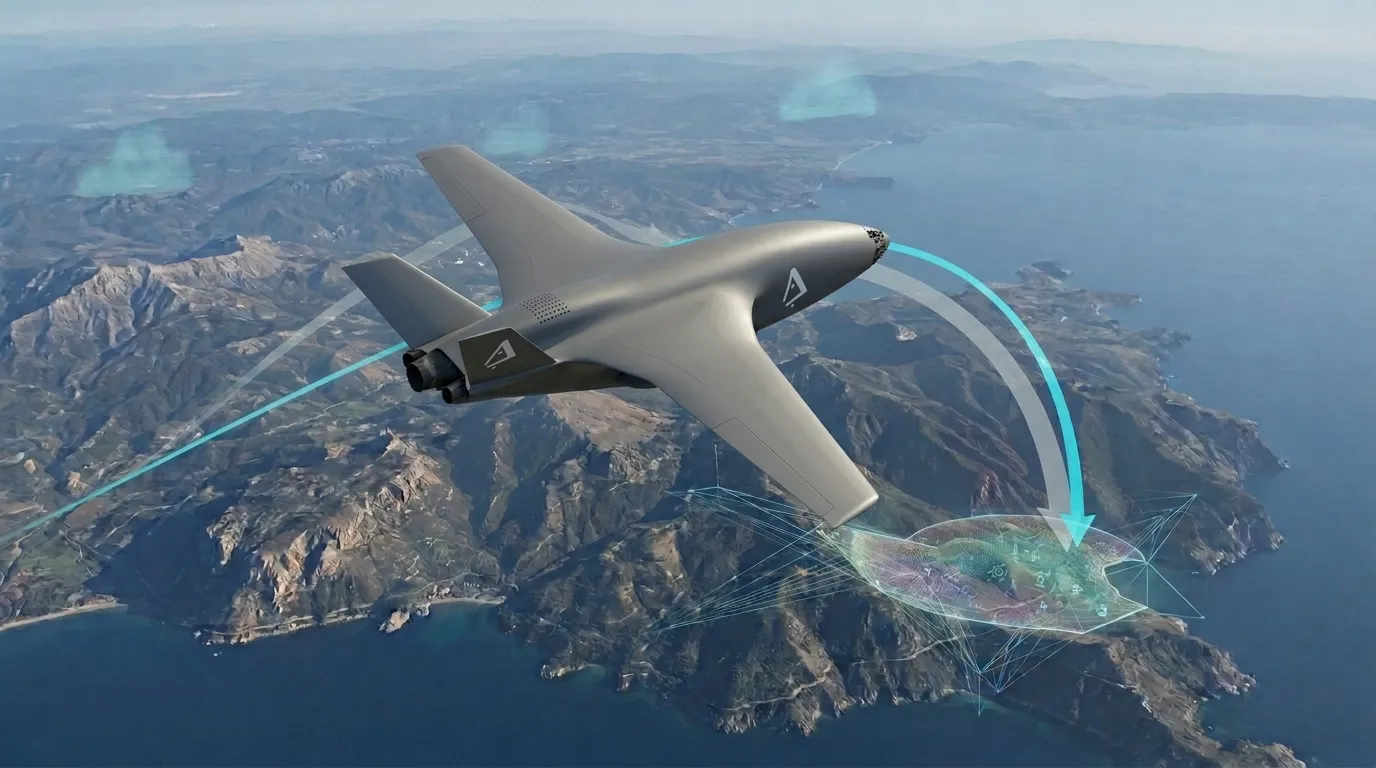
AERIS APT-1 - Active Pressure Tomography - explores a different approach. The system uses distributed pressure measurement points on the surface of the UAV and combines their readings with data on the movement of the vehicle. The purpose of APT-1 is not to record a single parameter, but to restore a more complete picture of the current aerodynamic state.
From individual sensors to distributed measurements
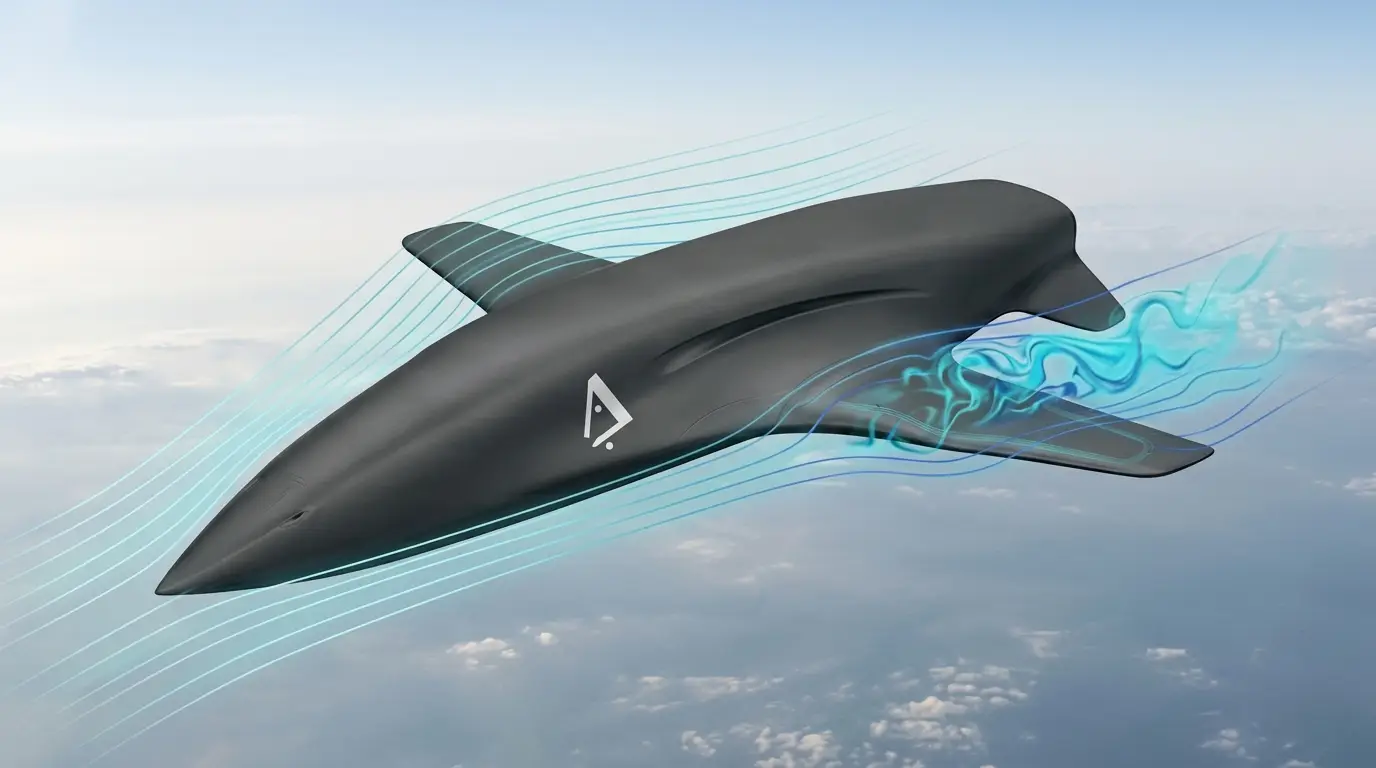
The pressure on the surface of the aircraft changes depending on the speed, angle of attack, sideslip, maneuver, gusts and the nature of the local flow. Therefore, several measurements taken in different areas of the surface contain significantly more information about the state of the flow than a single point of total or static pressure.
APT-1 treats distributed pressure points as elements of a single measurement system. The obtained values are compared with data from inertial sensors, airspeed and the current state of the device. On this basis, an assessment of the aerodynamic regime is formed.
- distributed pressure tapping points record spatial differences in flow;
- onboard data allows measurements to be linked to the movement of the aircraft;
- the mathematical model reconstructs parameters that are not directly measured;
- sequential measurements allow one to observe changes in flow state over time.
Why APT-1 is called tomography
In classical tomography, the internal state of an object is reconstructed using a set of indirect measurements. APT-1 uses a similar principle at the level of the aerodynamic problem: the system receives a limited set of pressure observations and, based on their totality, estimates the state of the air flow around the vehicle.
This is fundamentally different from the scheme, where each parameter of interest has its own specialized sensor. APT-1 considers several physical measurements as input to reconstruct the overall picture.
The APT-1 research architecture examines estimates of angle of attack, sideslip, gust effects, aerodynamic load asymmetry, and indications of approaching adverse flow conditions.
Selecting the most informative measurements
One of the APT-1 principles under study is sequential work with distributed pressure points instead of the mandatory simultaneous equipping of each point with a separate measuring channel. This approach allows the measurement system to be viewed as active: it can determine which observations are most useful in refining the current estimate.
If the model confidently determines the state from the data it has already acquired, additional measurements may be of little value. If uncertainty increases, the system can use measurements from other areas of the surface where the greatest information value is expected.
As a result, the problem is reduced not only to the question of “what pressure is currently measured”, but also to the question of “what next measurement will best understand the current state of the flow.”
Reconstruction of the aerodynamic state
The pressure distribution depends simultaneously on the geometry of the vehicle, the flight mode and external disturbances. Therefore, a single value in itself is not very informative. For APT-1, the set of features and their changes relative to previously observed conditions are important.
For reconstruction, models trained on data from calculations, ground tests and real flights can be used. As experimental data accumulates, it becomes possible to compare specific pressure distributions with known regimes and form an aerodynamic model of a specific aircraft.
- assessment of angle of attack and sideslip;
- detection of rapid changes in local pressure during a gust;
- identifying differences between the left and right sections of the apparatus;
- monitoring changes in the nature of the flow during a maneuver;
- searching for signs of approaching regimes with increased aerodynamic uncertainty.
Individual aircraft model
Even devices of the same design are not completely identical in actual operation. Their performance is affected by manufacturing variations, weight distribution, surface conditions, installed payloads, and other factors.
Therefore, one of the areas of APT-1 research is related to the formation of its own aerodynamic data set for a specific instance. Instead of using only a predefined universal model, the system gradually accumulates a connection between the measured pressure, the movement of the vehicle and the actual flight conditions.
Such a data set can be used for diagnostics, comparison of modes, subsequent processing of flight tests and refinement of state assessment algorithms.
Flying laboratory
APT-1 is being developed as a research technology that requires real-world testing. Computational models and ground-based experiments make it possible to construct the initial dependencies, but it is the flight that creates the combination of gusts, vibrations, maneuvers and transient regimes that are necessary to test the method.
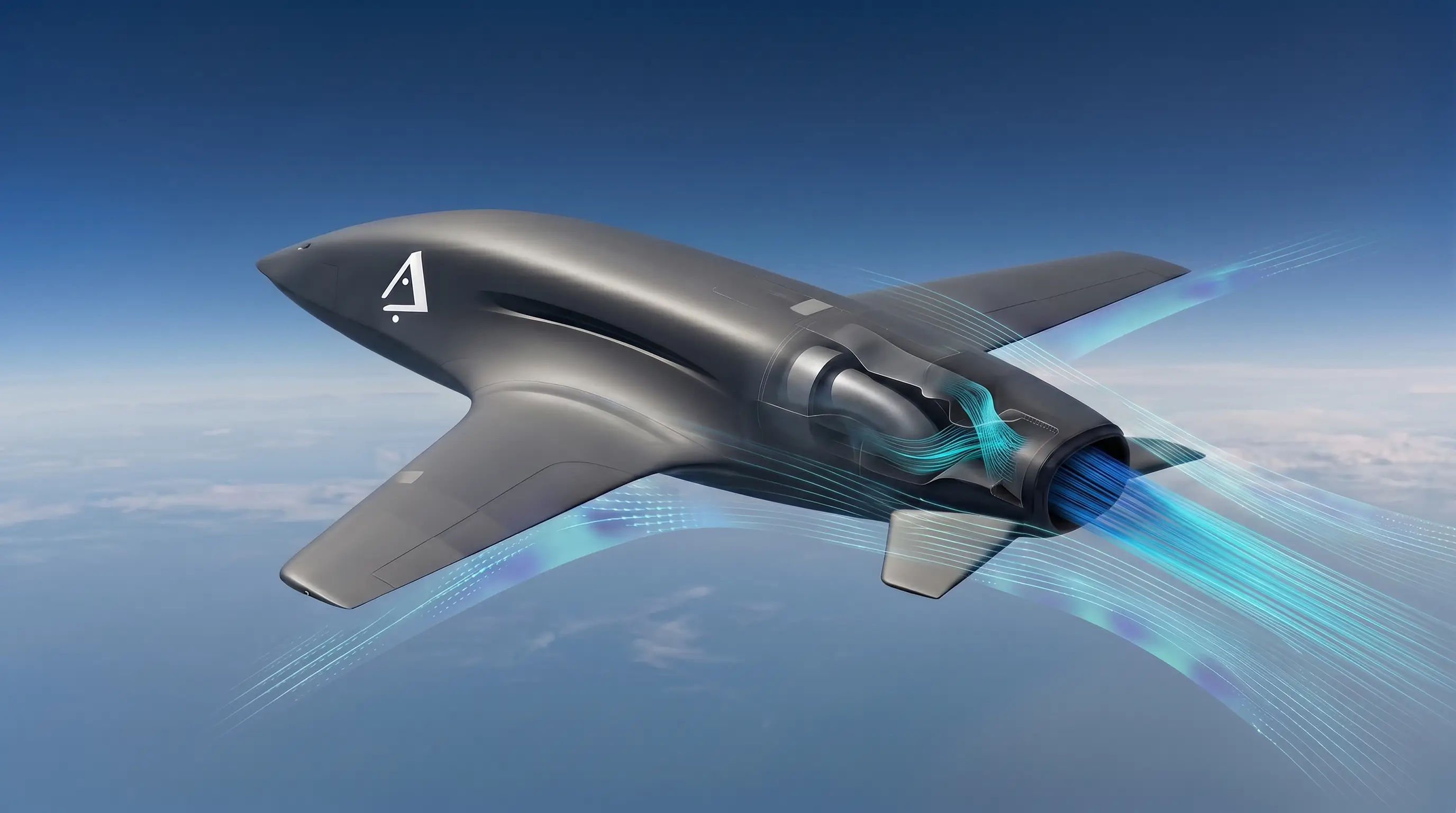
One of the platforms for experimental testing of APT-1 is a flying laboratory based on the AERIS A1 robot. It should allow synchronous recording of pressure, motion parameters and the state of the UAV, and then compare the reconstructed flow state with the actually observed behavior of the device.
Limitations of the Research Approach
Distributed measurements alone do not guarantee accurate reconstruction. The result depends on the location of pressure sampling points, the quality of the measuring channels, data synchronization, the range of modes studied, and the ability of the model to distinguish between similar aerodynamic states.
A separate task is related to the portability of the model between different device configurations. Changing the geometry, mass, or payload can change the observed pressure distribution, so such changes must be taken into account when building and validating the model.
- measurement errors and delays affect the quality of reconstruction;
- the location of pressure points determines the information content of the initial data;
- unexplored regimes may increase estimation uncertainty;
- the model must be tested against real flight test data.
AERIS APT-1 task
The goal of the project is to test how far it is possible to move from individual aerometric measurements to a distributed perception of the aerodynamic state of the vehicle.
APT-1 considers the UAV surface as a source of spatially related flow data. If the experimental program confirms the sufficient accuracy of the reconstruction, this approach will make it possible to obtain information about flight conditions and external disturbances that are difficult to observe using a single traditional aerometric channel.
AERIS APT-1 is at the research and experimental testing stage. The goal of the project is not to claim a replacement for existing measurement tools, but to determine the limits of applicability of distributed aerodynamic reconstruction on a real unmanned vehicle.