



Featured article
How NEXUS connects perception, memory and forecasting across robots in a distributed reasoning process, from assessing a situation to coordinated action.
In this article
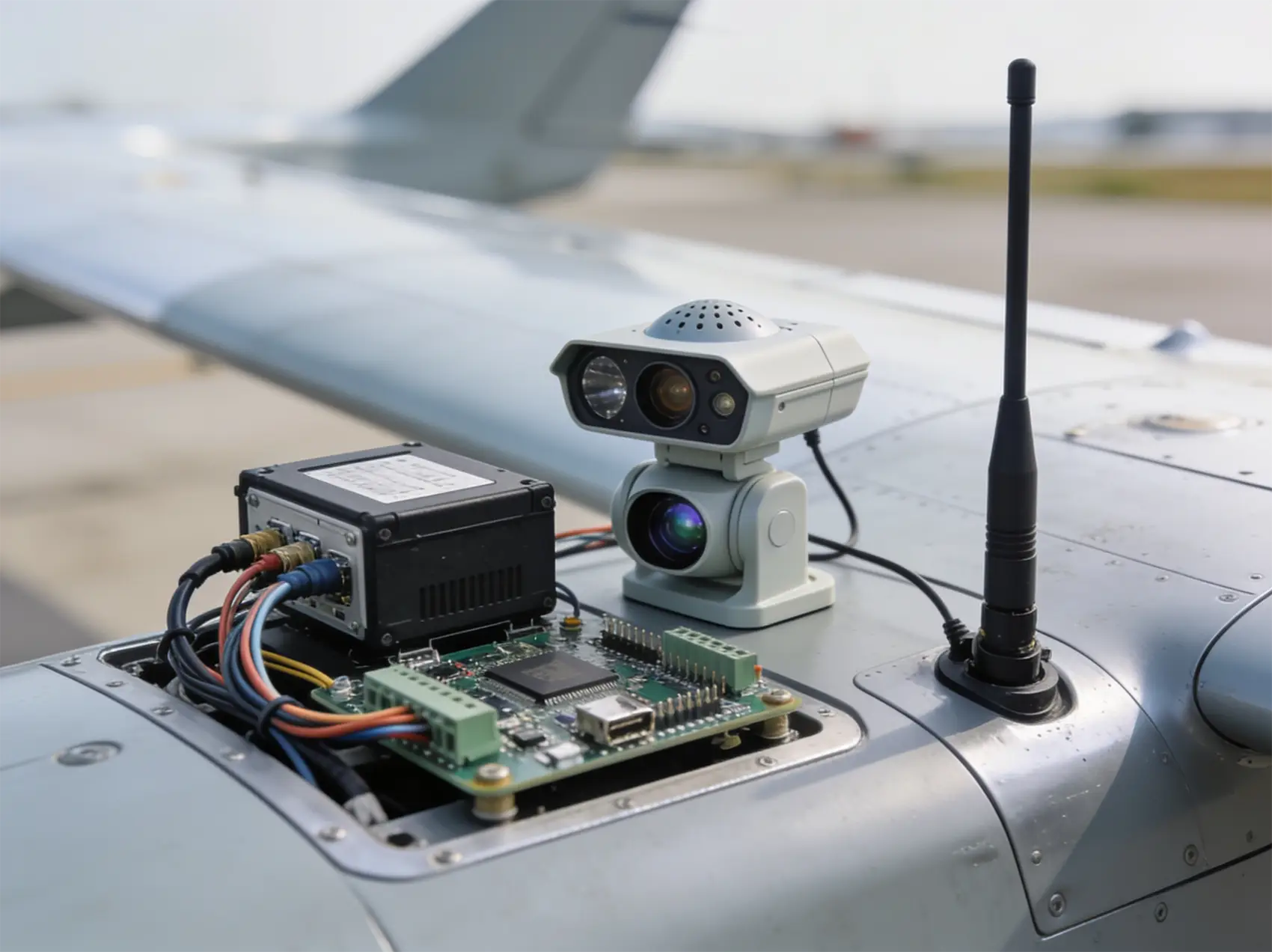
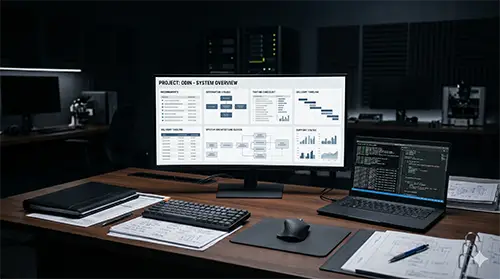
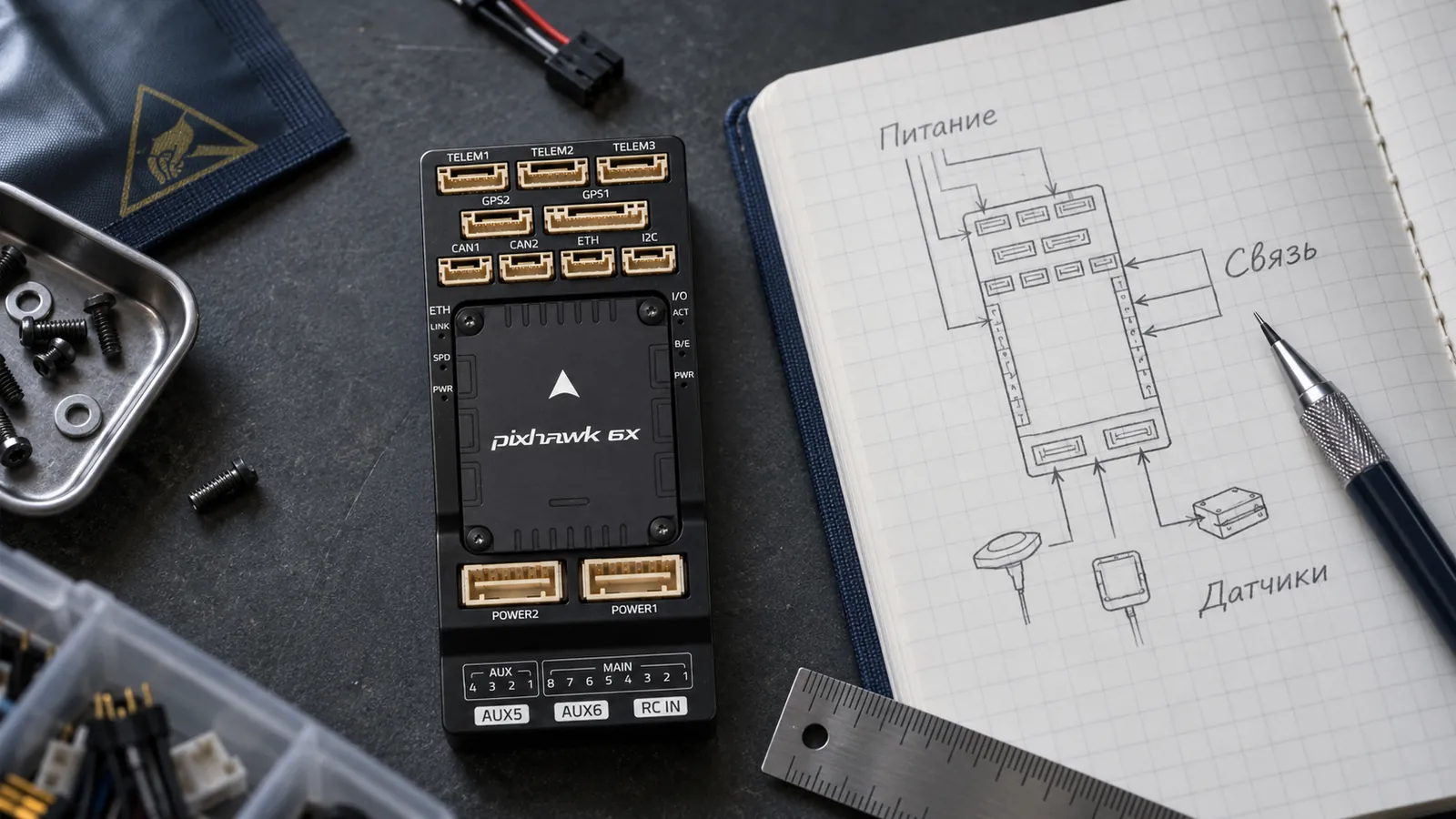
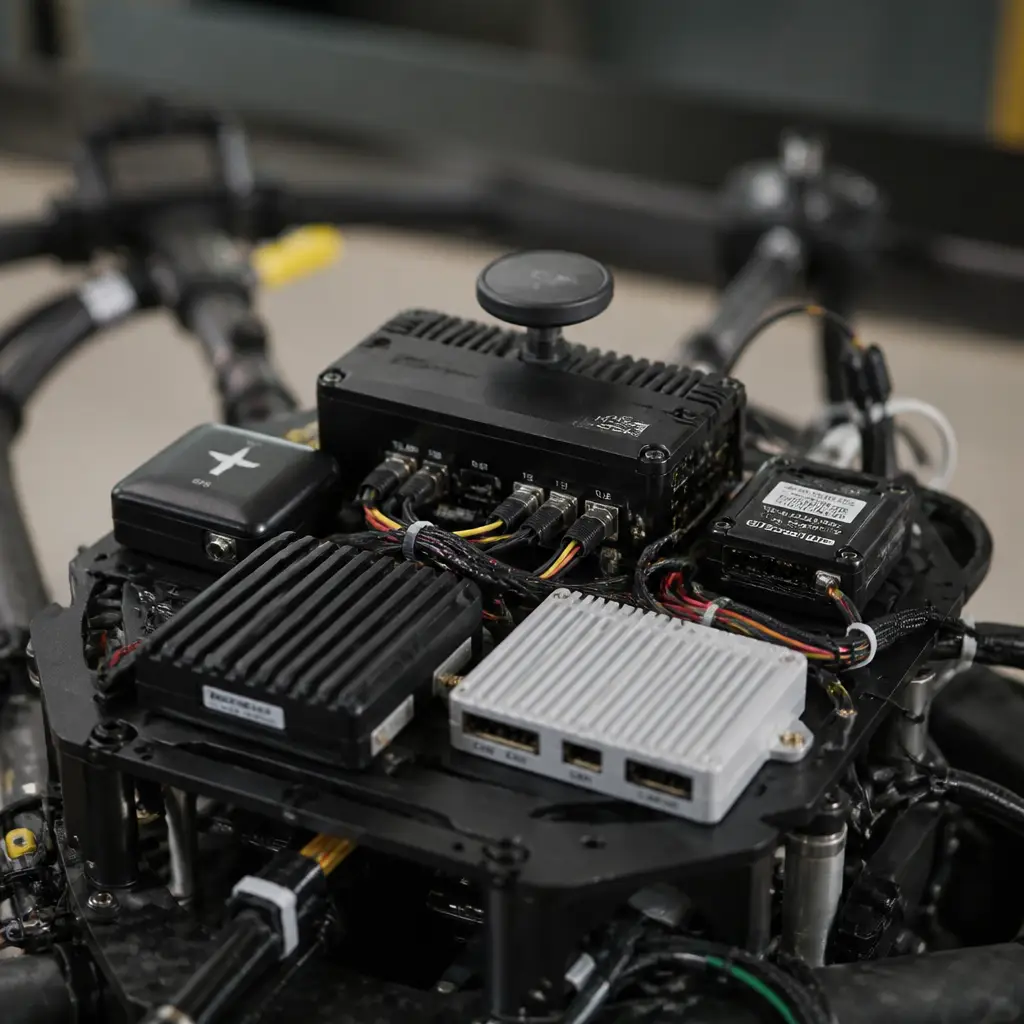
Autonomous system integration often comes down to installing an autopilot or payload. In reality, it is the process of coordinating all the subsystems: platform, power, navigation, communications, computer, sensors, ground station and mission logic.
The goal of integration is not to assemble equipment in a housing, but to obtain a system that performs an application task in a stable, repeatable and safe manner. AERIS therefore views integration as a complete engineering cycle.
The beginning of the project is a description of the result. What should the system do on its own? Where does the operator remain in the loop? Which decisions can be made on board and which must be confirmed by a human?
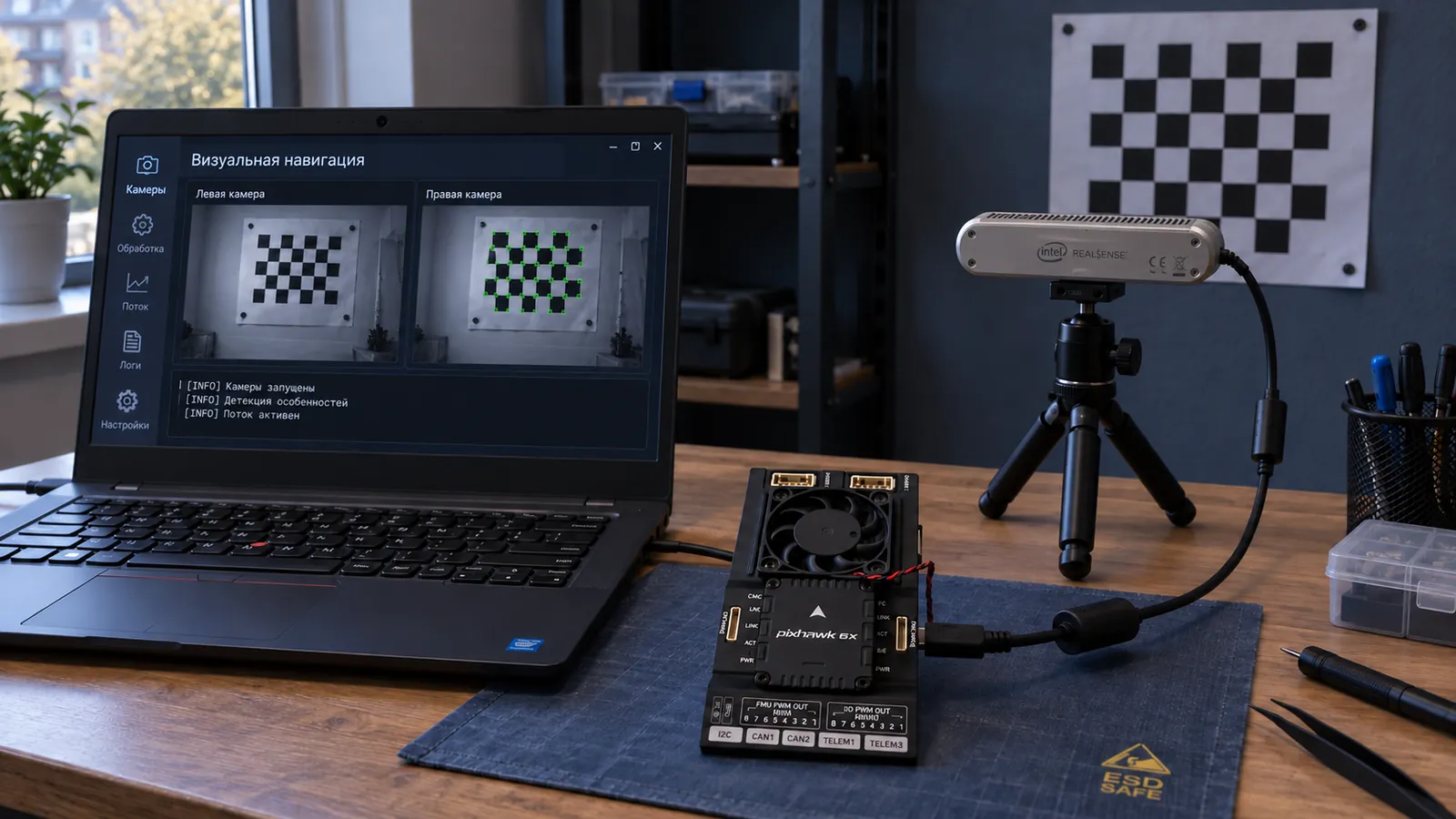
The integrated system includes autopilot, flight computer, sensors, payload, communications links, power, GCS, diagnostic tools and documentation.
Integration limitations relate to mass, energy, interface compatibility, latency, and fault tolerance.
A project usually goes through the following stages: brief, architecture, bench assembly, software integration, ground checks, test flights, setting up regulations and commissioning.
At each stage, it is important to maintain traceability of the requirements: why the sensor was chosen, what interface is used, how the result is verified, and what is considered ready.
Integration errors often appear late.
Before starting integration you need to have:
Practical conclusion: integration of an autonomous system is the management of connections between subsystems. The earlier these connections are described, the less rework during testing.
It is better to confirm the readiness of an autonomous system not by the general impression of the flight, but by a set of verifiable criteria: communication stability, correctness of payload commands, completeness of telemetry, event logging, response to sensor degradation and reproducibility of the result during a repeat mission. This approach helps separate demonstration success from engineering readiness for production.
Featured article
How NEXUS connects perception, memory and forecasting across robots in a distributed reasoning process, from assessing a situation to coordinated action.

Featured article
Autonomous navigation reduces manual operator workload when route planning, sensors, state monitoring and contingency modes are designed together.