



Featured article
How NEXUS connects perception, memory and forecasting across robots in a distributed reasoning process, from assessing a situation to coordinated action.
In this article
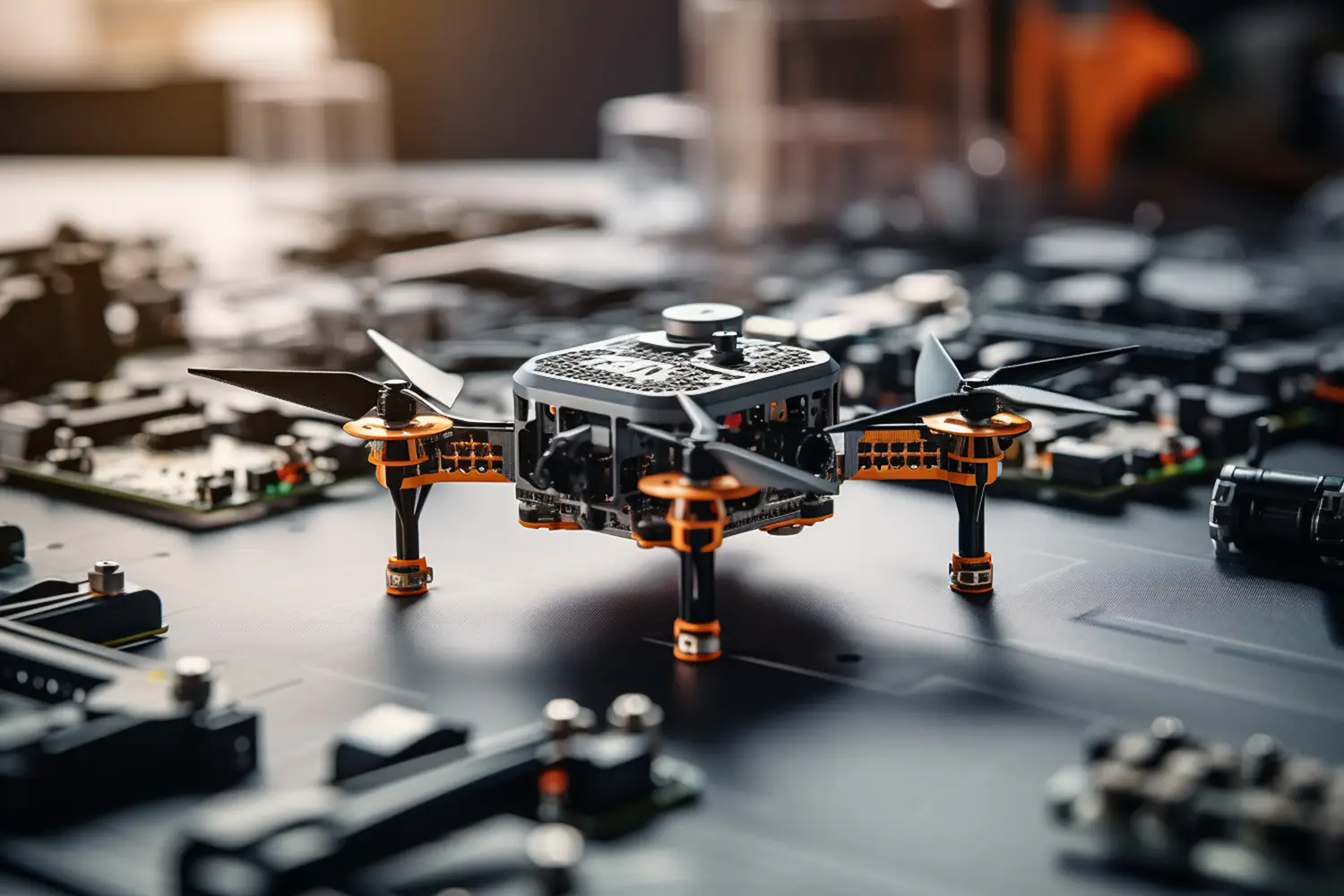
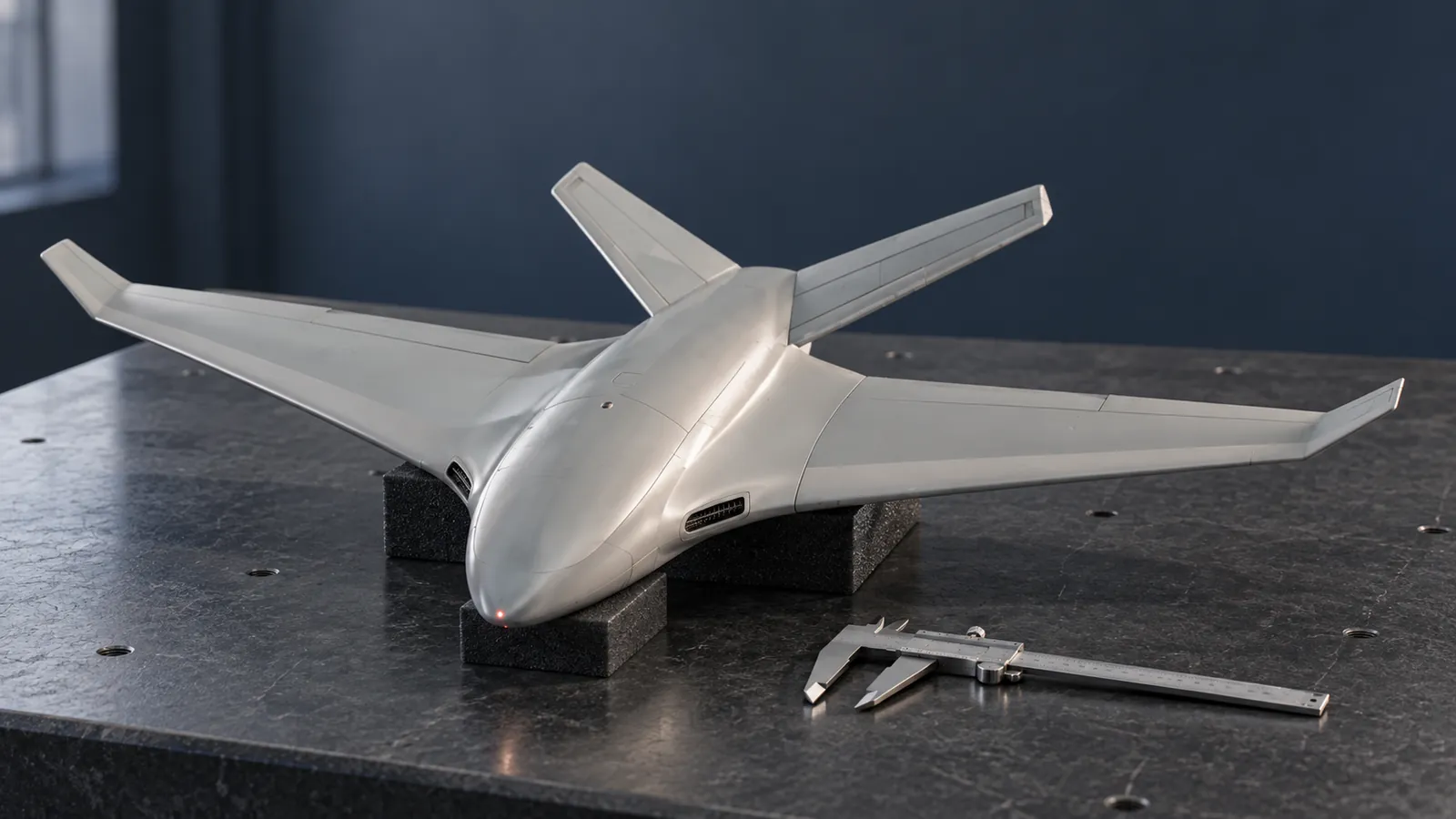
A modern UAS is not one aircraft, but a system of platform, power, sensors, payload, communications, onboard software and ground loop. Modular architecture is needed to develop such a system without completely reworking the project for each new task.
For AERIS, modularity means clear interfaces and boundaries of responsibility. If a module can be replaced, but it is not known how it is powered, communicated and diagnosed, this is not modularity, but a risk.
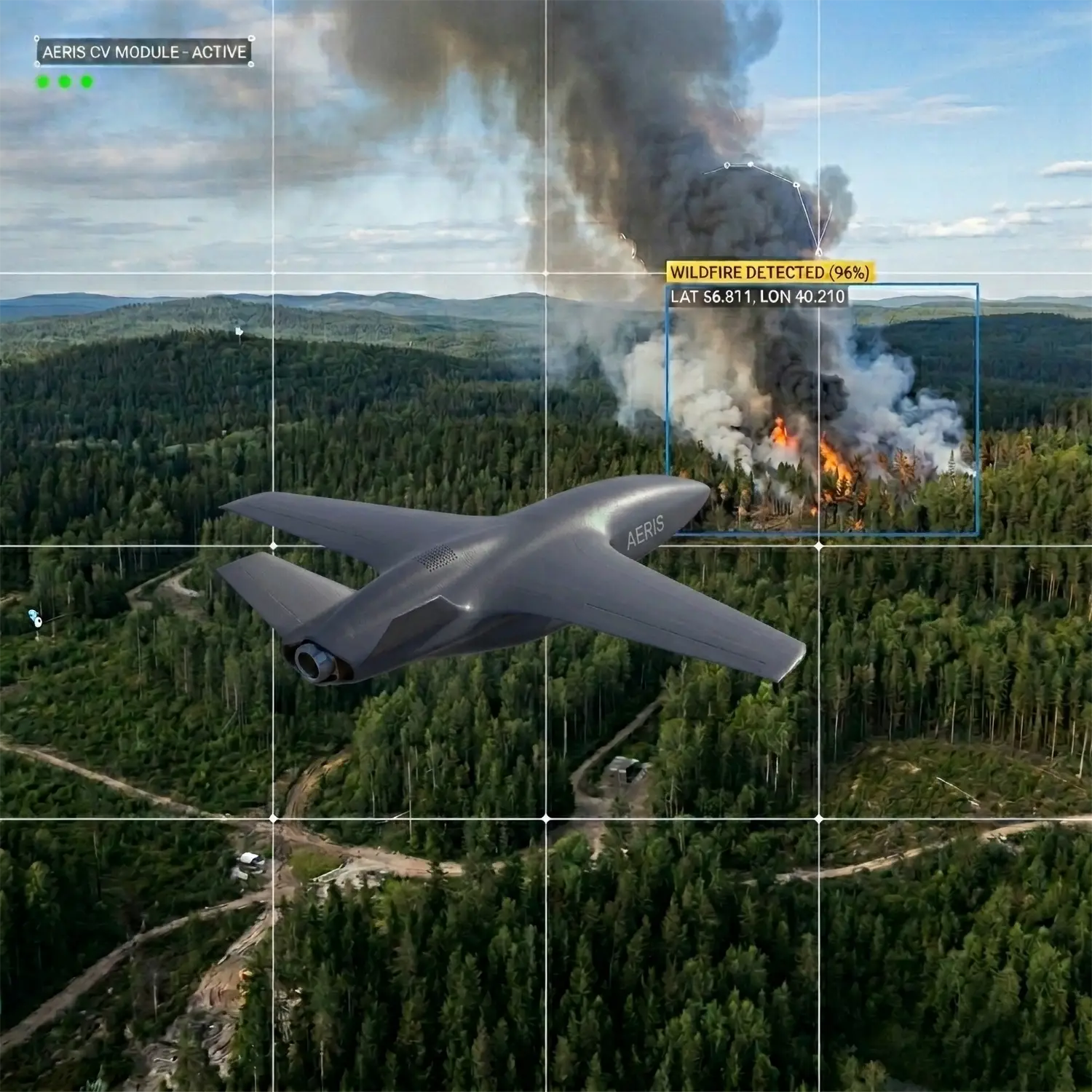
The modular approach is especially useful when the customer’s missions change: today a visual inspection is required, tomorrow thermal imaging control, later - computer vision or another communication channel.
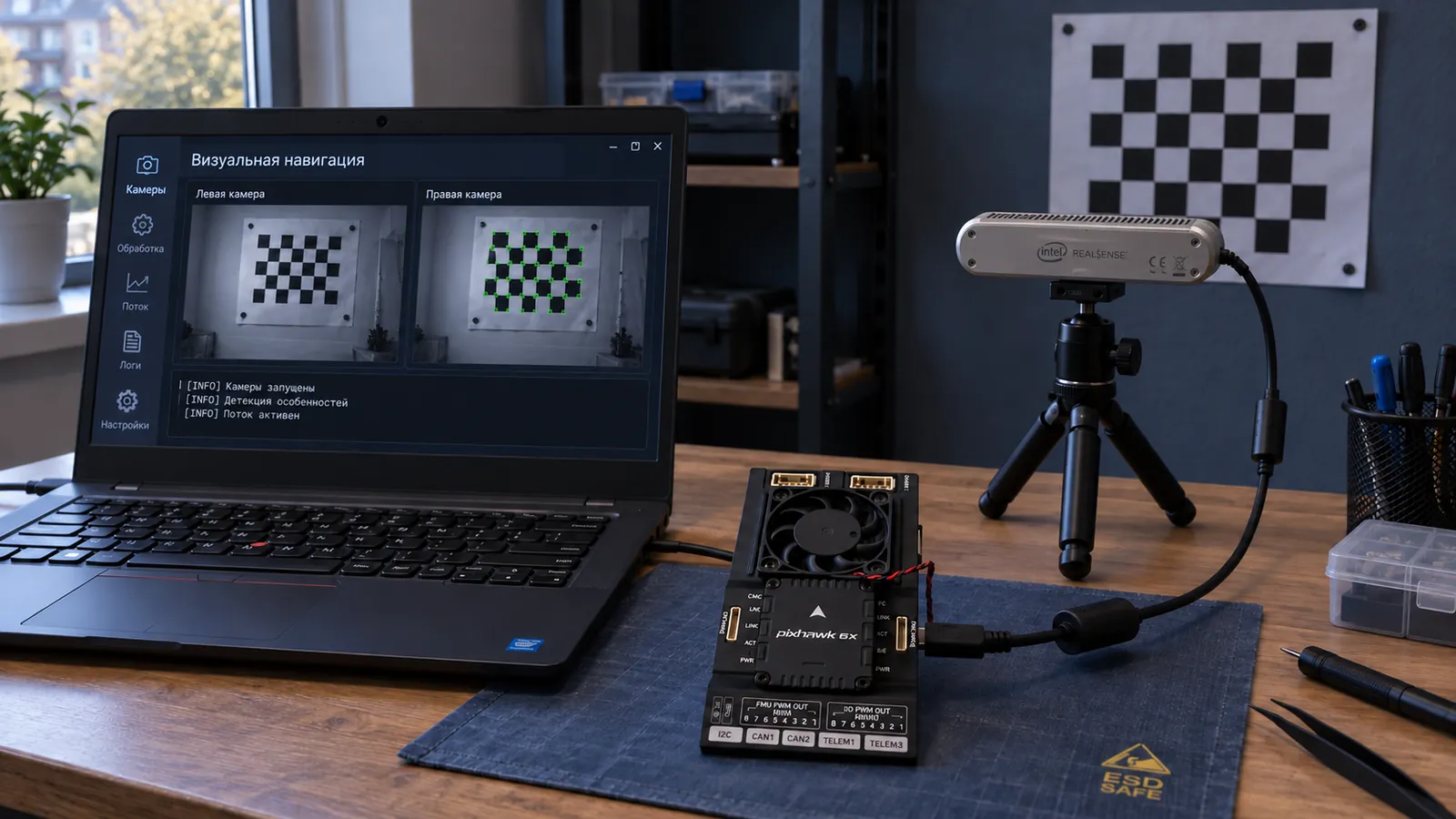
The architecture is divided into layers: platform, energy, computing, sensors, communications, mission logic and ground software. Each layer should have clear interfaces.
Modularity has a price: weight reserve, space, documentation and additional checks.
The development of a modular system proceeds in iterations: basic configuration, testing, adding load, checking interfaces, updating documentation and transferring experience to the next configuration.
This approach helps avoid starting every project from scratch. The team retains proven solutions and changes only those parts that are required for the new mission.
Modularity is often understood too superficially.
For modular architecture you need:
Practical conclusion: Modular architecture is useful when it reduces the cost of change. This requires not slogans, but managed interfaces, tests and documentation.
Featured article
How NEXUS connects perception, memory and forecasting across robots in a distributed reasoning process, from assessing a situation to coordinated action.

Featured article
Autonomous navigation reduces manual operator workload when route planning, sensors, state monitoring and contingency modes are designed together.