



Featured article
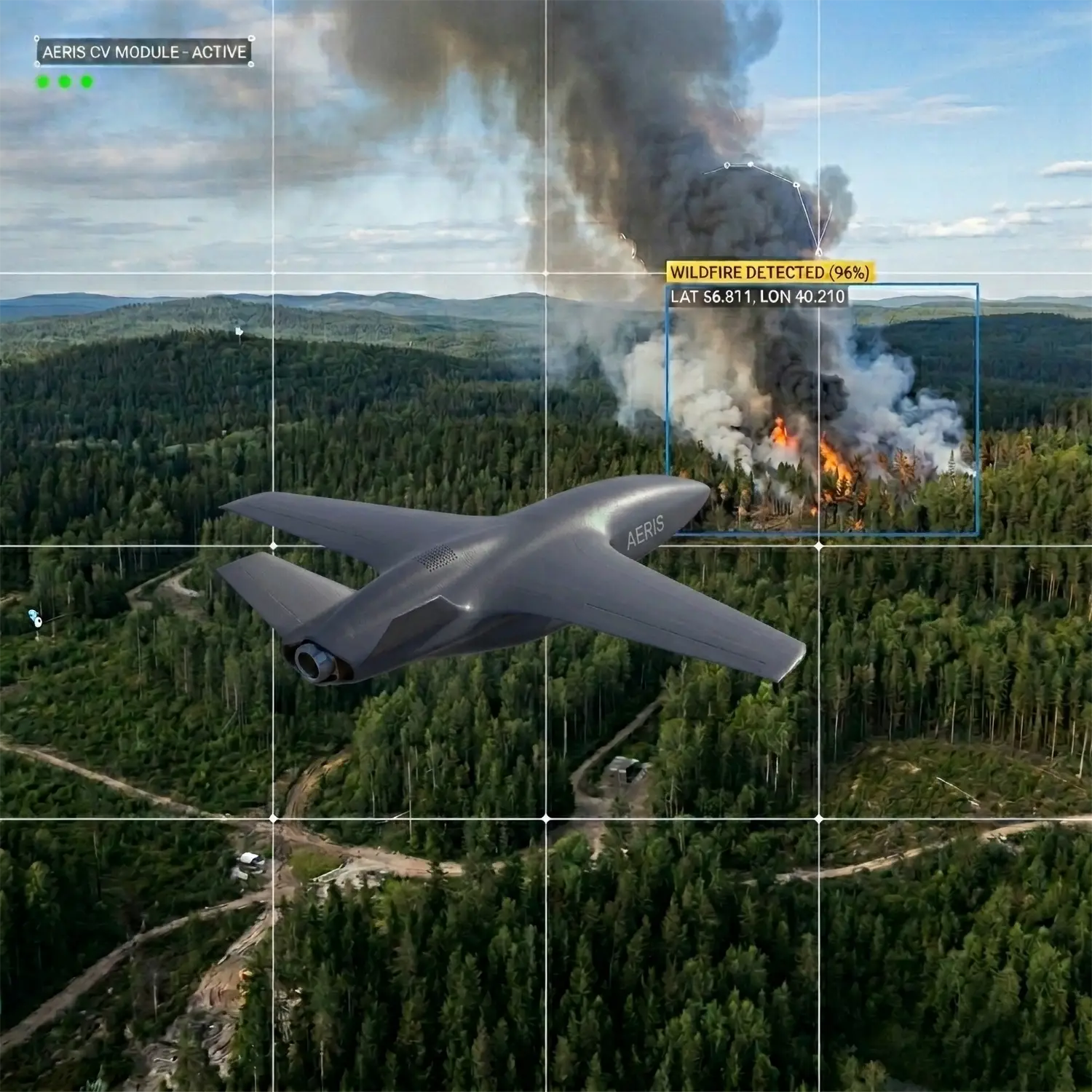
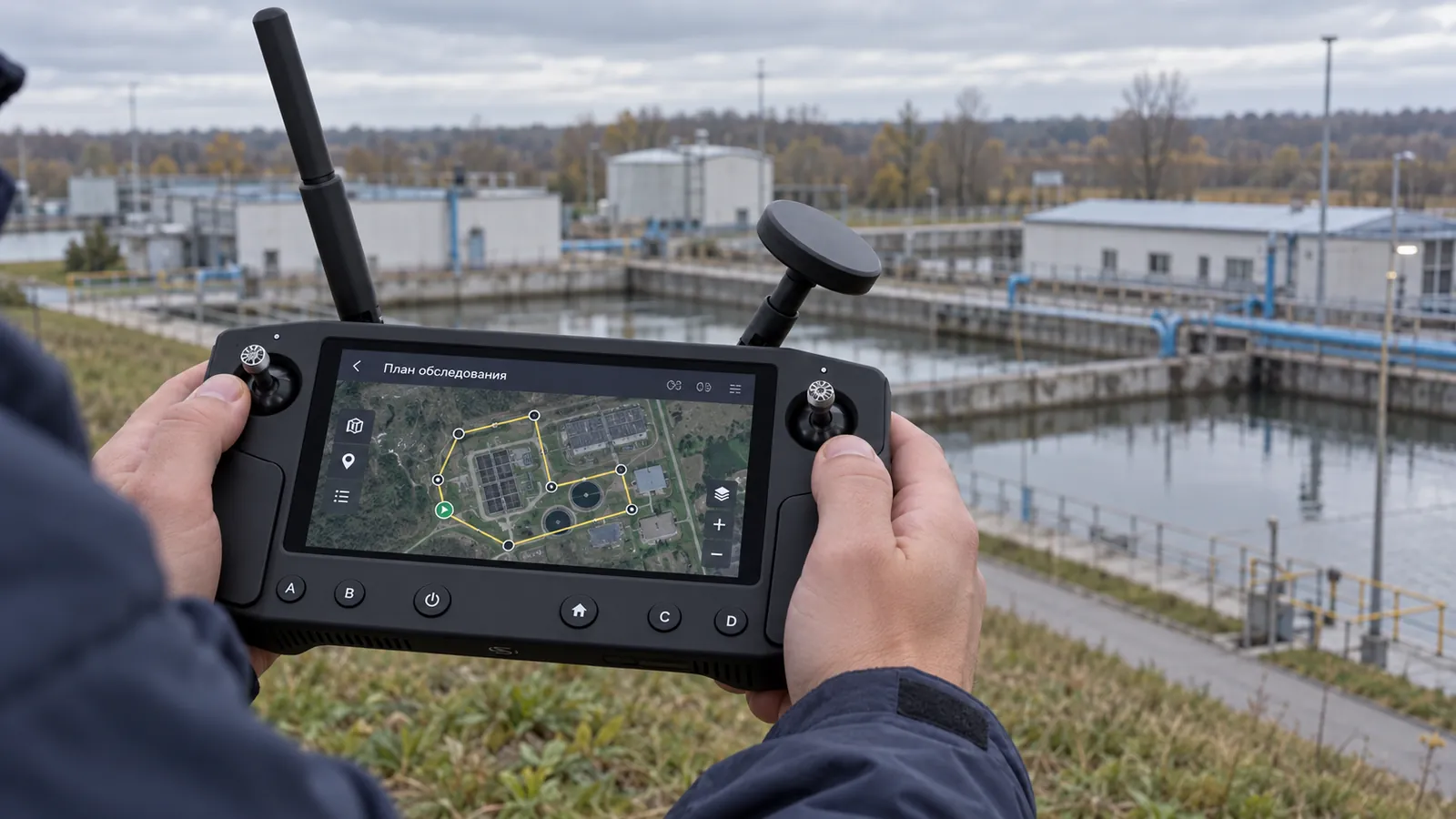
Selecting a UAS for monitoring starts with the site, route, required data and mission frequency.
In this article
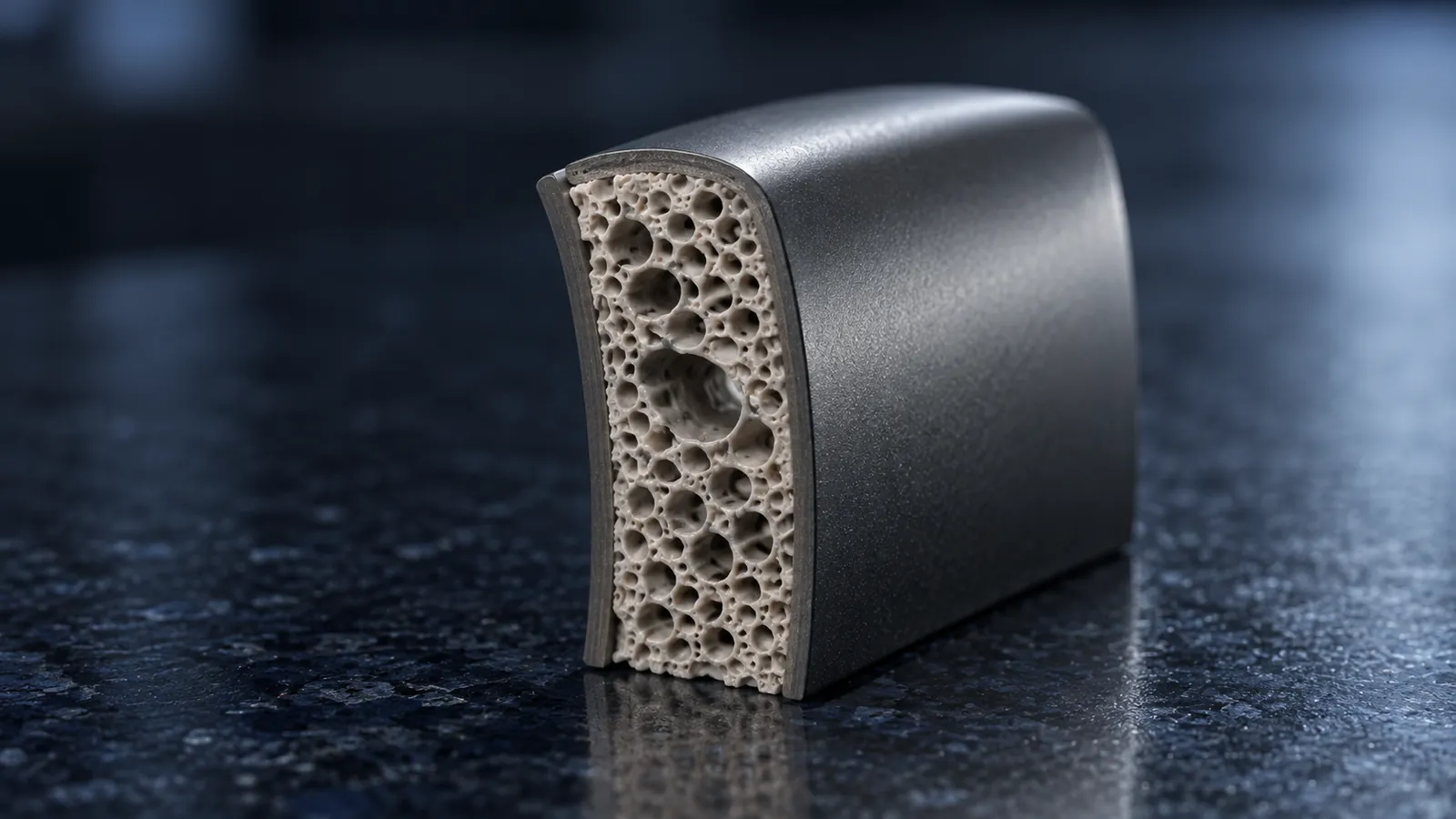
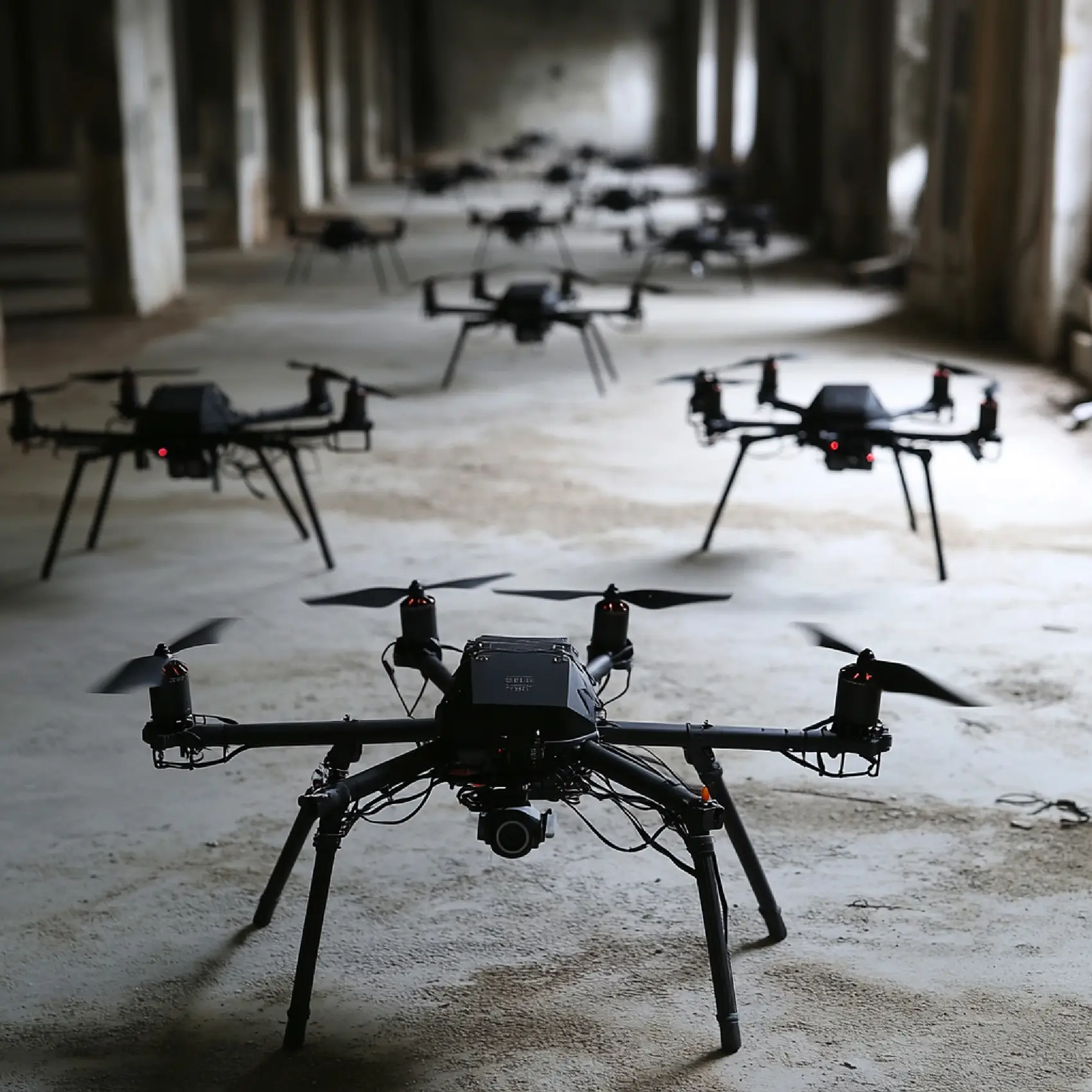
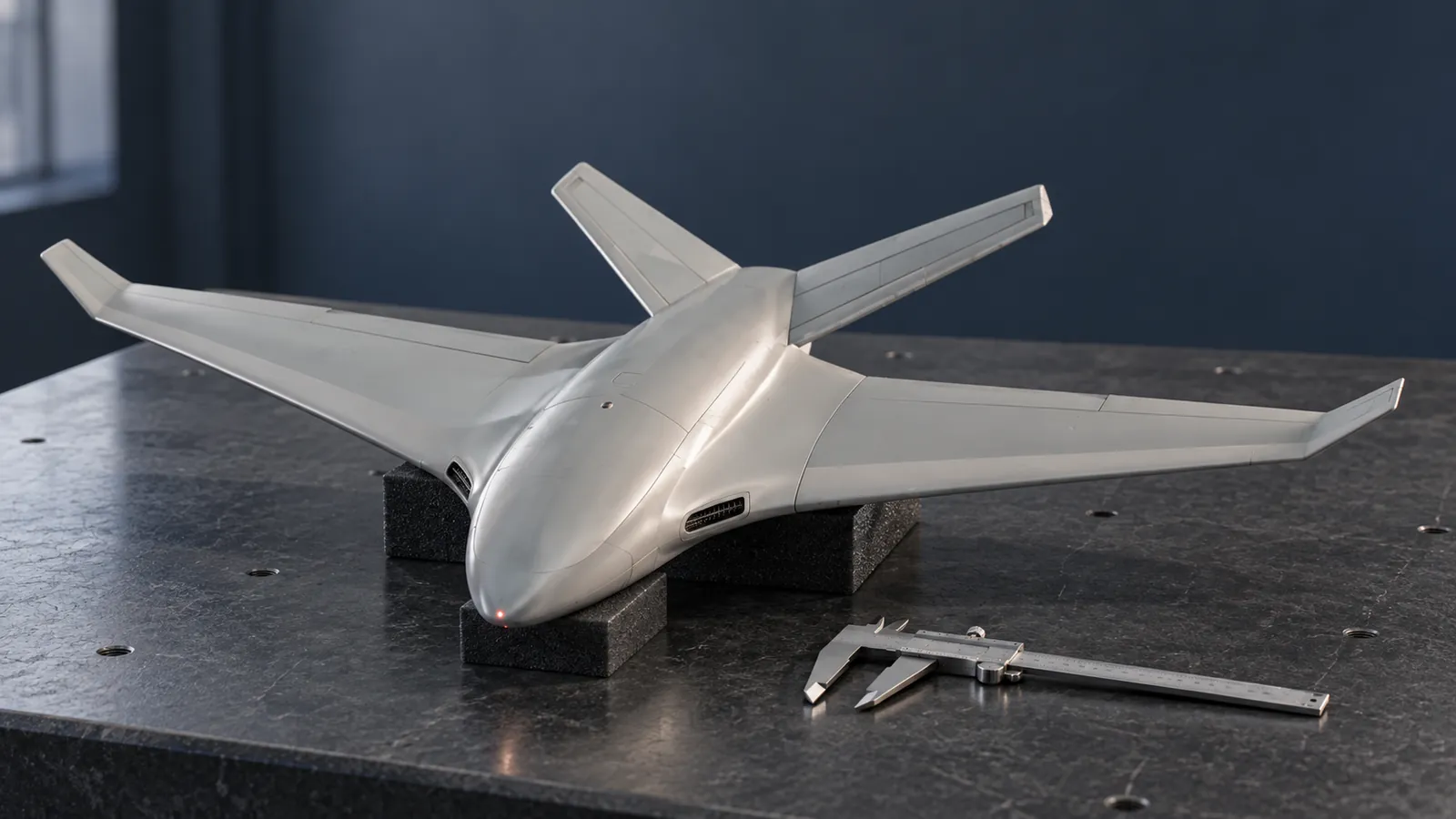
The body of a UAV is often chosen based on its appearance or declared payload capacity. But for a working system, something else is more important: where the payload will fit, how the cables will pass, whether there will be access to the electronics, whether the alignment will be disrupted, and whether the design will withstand real operating conditions.
The Corps sets the limits for future integration. It determines internal volume, mounting points, module protection, aerodynamics, maintainability and upgradeability. Therefore, it cannot be considered separately from sensors, power, communications and the flight scenario.
The choice begins with the mission: what the device carries, how long it flies, where it launches, how it is maintained and what data it must collect. One housing may be convenient for a camera, but inconvenient for a lidar or computer. The other gives a good volume, but makes access to the batteries difficult.
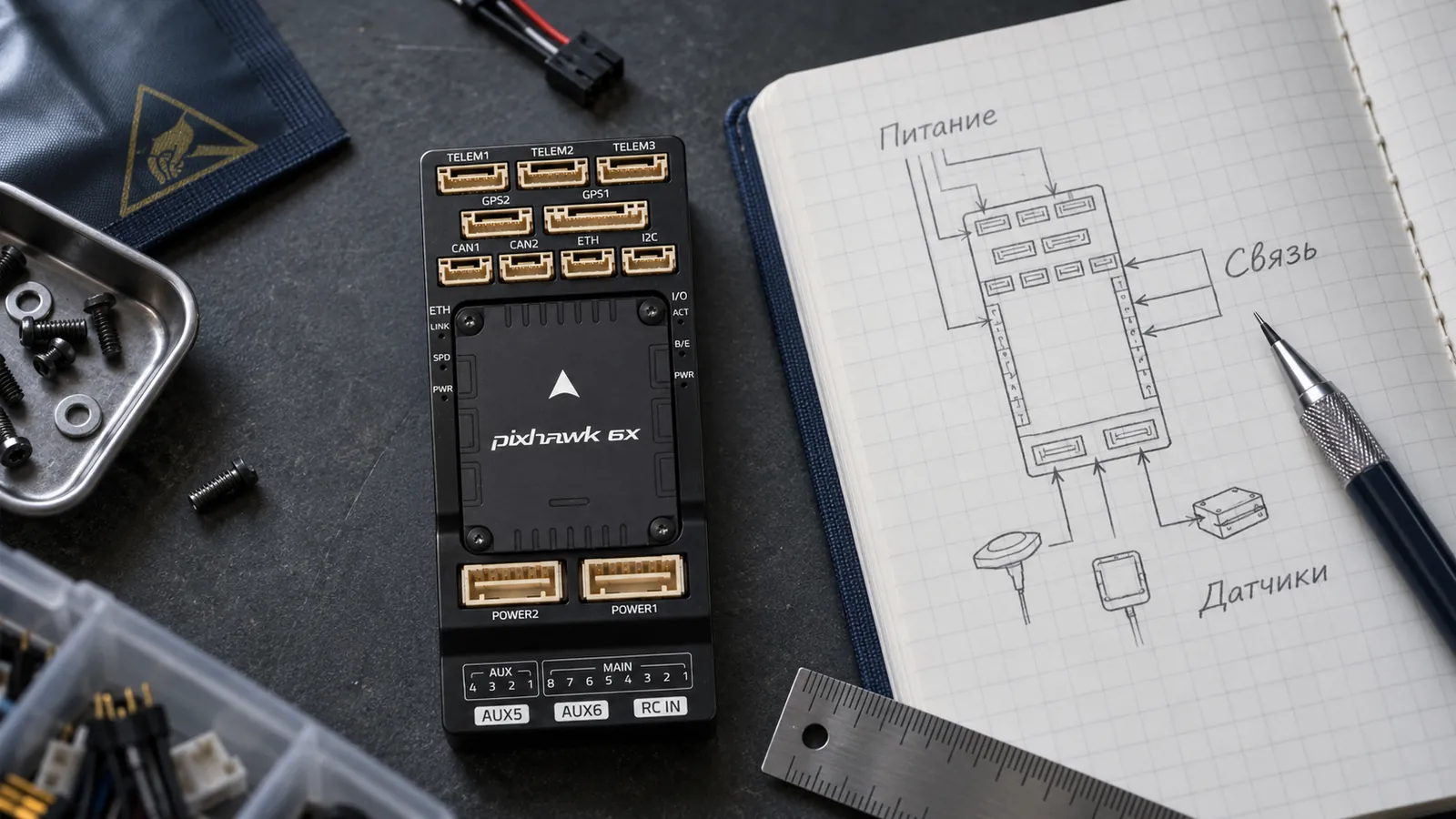
The housing links the mechanical and electronic architecture. The power supply, controller, communications, computer, cable routes and sensor mounts must be placed inside.
Even a successful case has limitations that need to be checked before assembly.
In operation, not only the first assembly is important, but also regular maintenance. The team must quickly replace the battery, check the mounting, remove data, inspect cables and prepare the device for the next flight.
If the case is not designed for the service cycle, even a good platform becomes inconvenient. In the field, this translates into delays, assembly errors, and increased risk of failure.
Typical errors occur when the enclosure is selected before the entire system is understood.
Before choosing a case, you should check the following.
Practical conclusion: the body must be chosen as integration platform. If the payload, power and maintenance are taken into account in advance, the system will be more reliable and will reach testing faster.
Featured article
Selecting a UAS for monitoring starts with the site, route, required data and mission frequency.
Featured article
How NEXUS connects perception, memory and forecasting across robots in a distributed reasoning process, from assessing a situation to coordinated action.