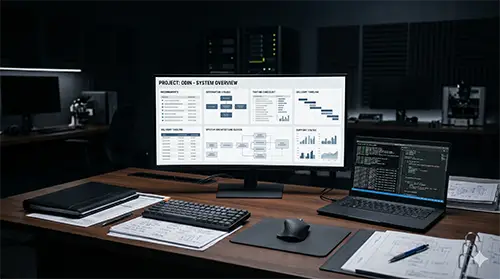





Featured article
How NEXUS connects perception, memory and forecasting across robots in a distributed reasoning process, from assessing a situation to coordinated action.
In this article
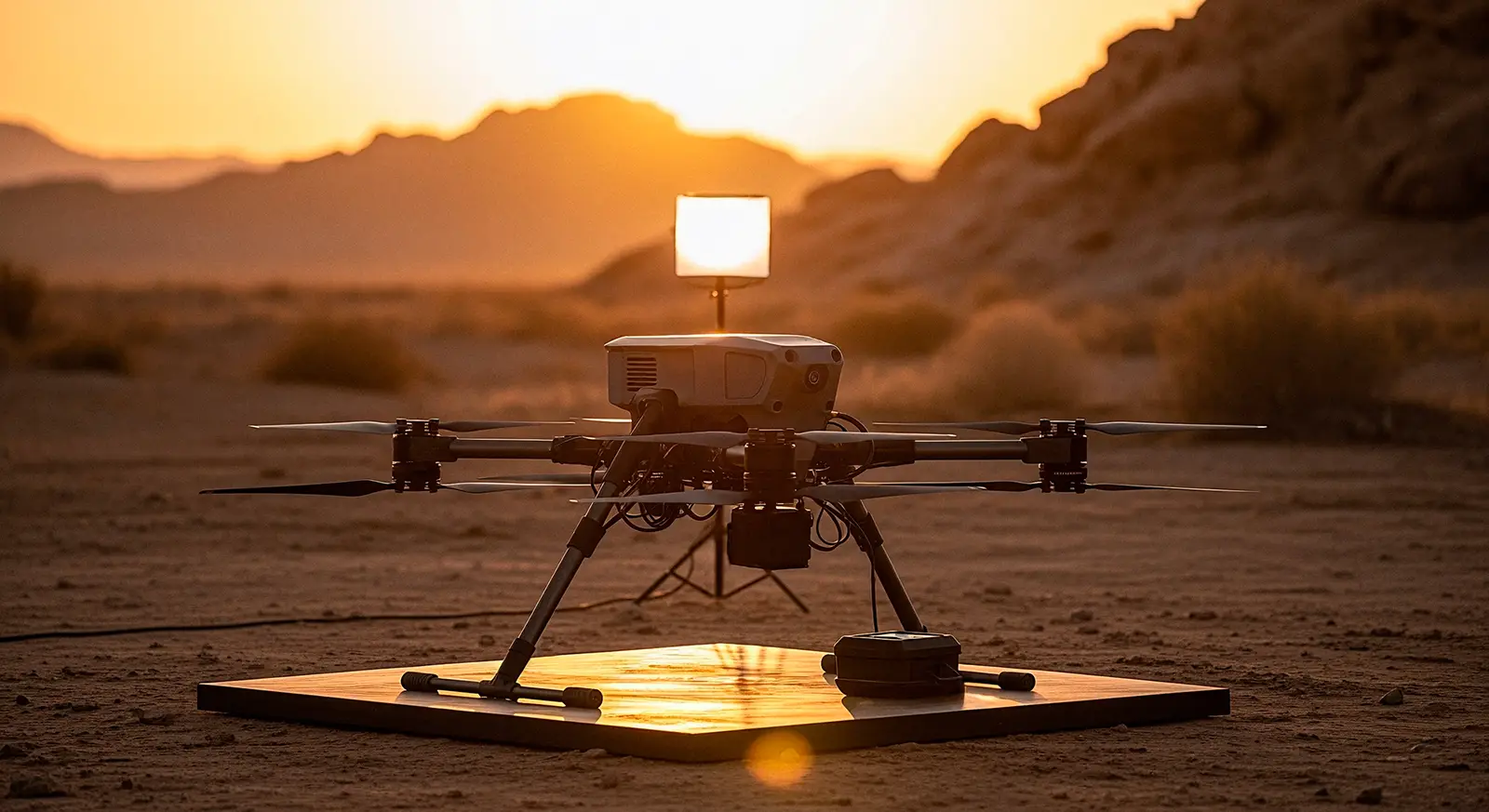
Autonomous UAS navigation is needed not to completely remove a person from the process, but to remove routine actions from the operator and leave him control over goals, safety and non-standard situations.
If autonomy is implemented correctly, the operator is less busy with manual piloting, receives data more consistently and reacts to events faster. If it is incorrect, the system becomes opaque and creates new risks.
First, you need to understand which operator actions really need to be automated: route holding, repeating surveys, point walks, altitude control, return, wind adaptation, or payload event processing.
The autonomy loop includes the mission planner, autopilot, navigation sensors, payload, onboard diagnostics, communications and operator interface.
The limitations of autonomy are related to data quality, predictability of the environment, and transparency of decisions.
In a work mission, the operator sets a goal, checks readiness, starts a route, monitors statuses, receives events and intervenes only when the task deviates or changes.
The clearer the system statuses, the lower the cognitive load. The operator must see what the UAS is doing, why it is doing it, and when human judgment is required.
Autonomation errors occur due to excessive faith in automatic mode.
Before implementing offline navigation, check:
Practical conclusion: Autonomous navigation reduces operator workload when a human controls the task and the system takes over repeatable execution and status monitoring.
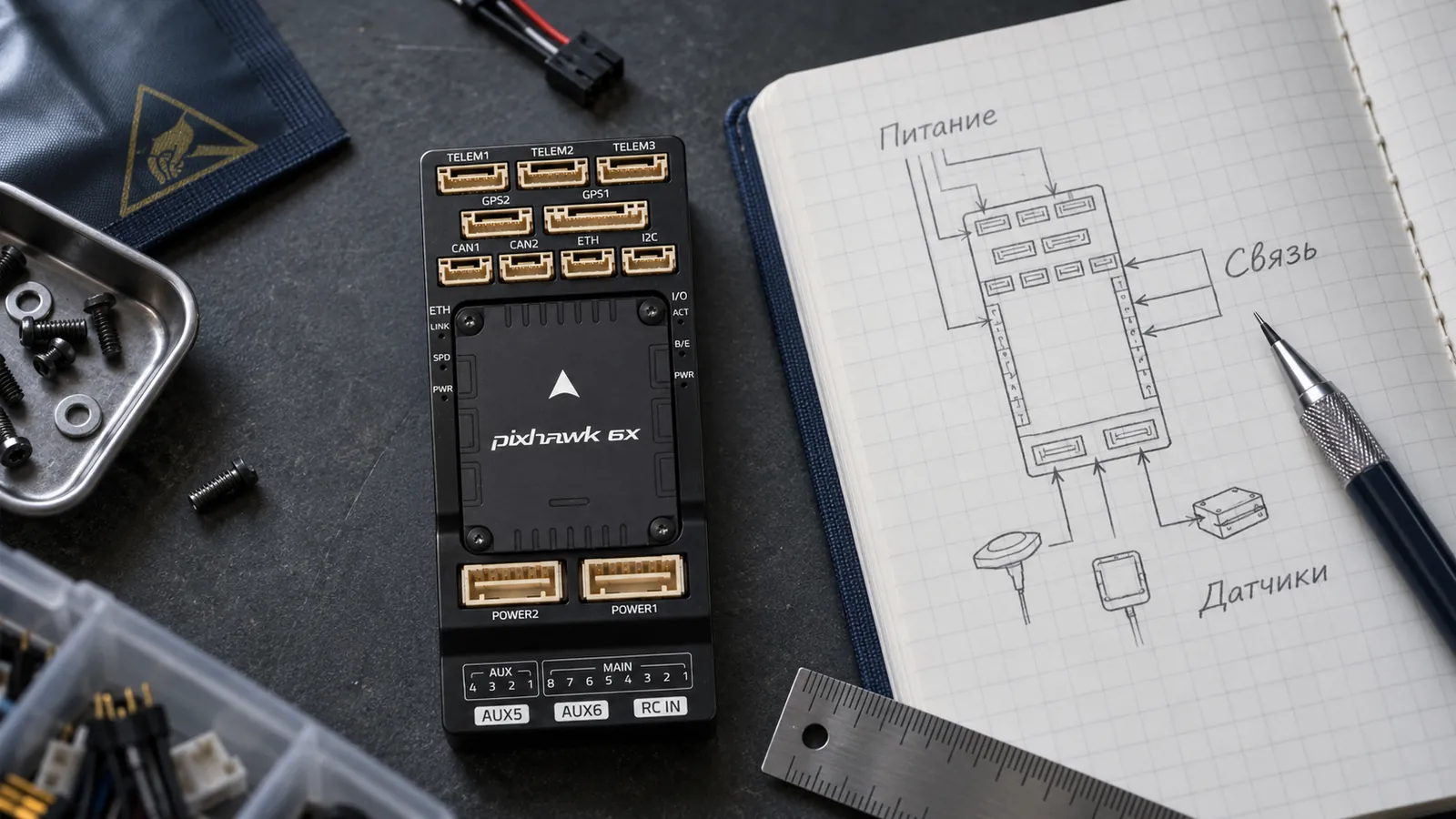
Featured article
How NEXUS connects perception, memory and forecasting across robots in a distributed reasoning process, from assessing a situation to coordinated action.

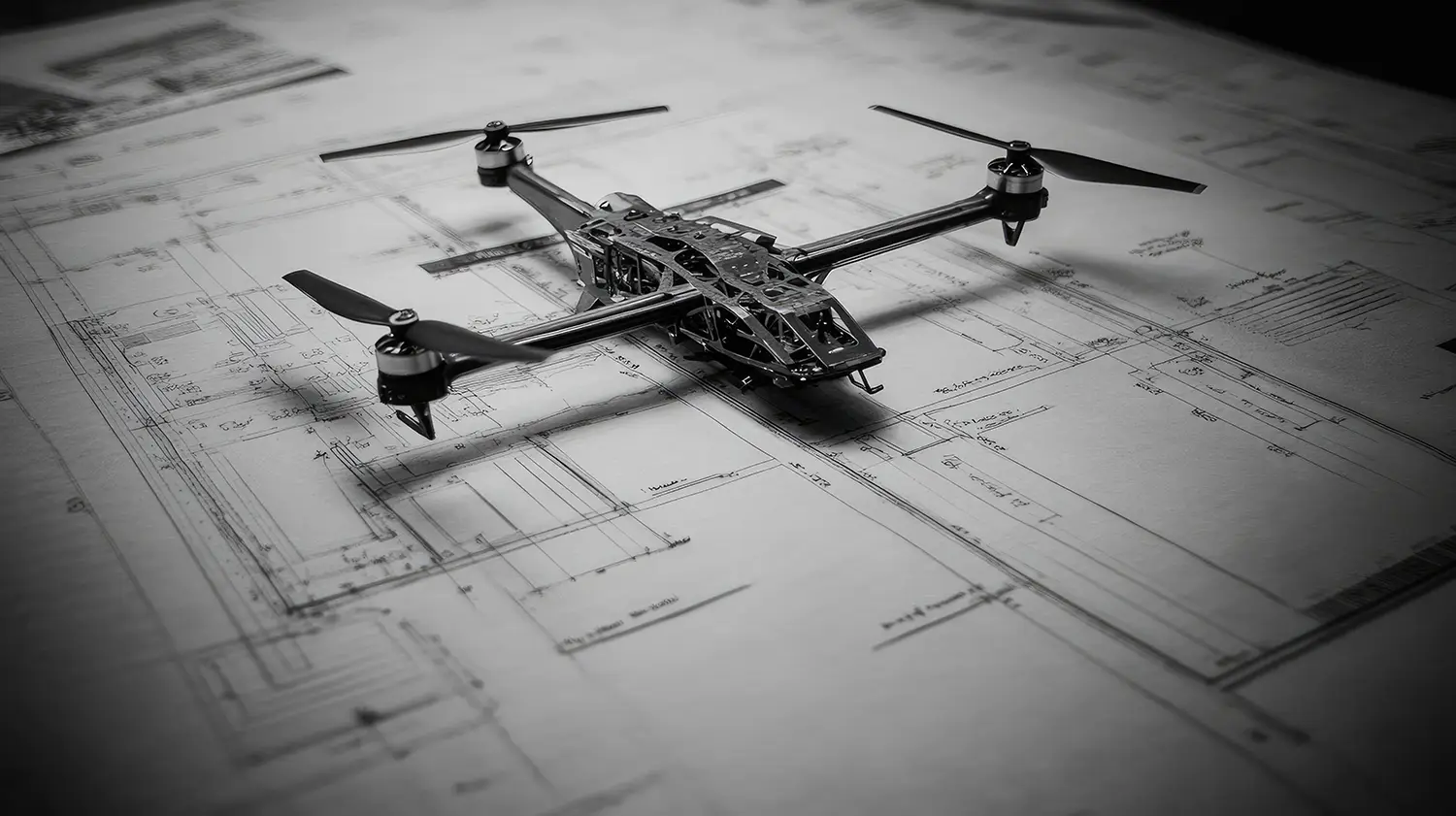
Featured article
A modular architecture allows sensors, computing hardware, software and mission scenarios to evolve without redesigning the entire UAS.