



Featured article
How NEXUS connects perception, memory and forecasting across robots in a distributed reasoning process, from assessing a situation to coordinated action.
In this article

Fixed-Wing UAV and VTOL often compared by range and flight time, but the practical choice is wider. It is necessary to take into account the launch site, route, payload, landing, crew, risks and repeatability of missions.
The aircraft scheme is effective on long routes. VTOL gives vertical takeoff and landing, but pays for it in mass, complexity and energy losses. There is no universal answer: there is a suitable scheme for a specific task.
If you need to cover a large area or a long corridor, aerodynamic efficiency is important. If the launch site is limited, there is no runway, or you need to work close to the object, VTOL may make more sense.
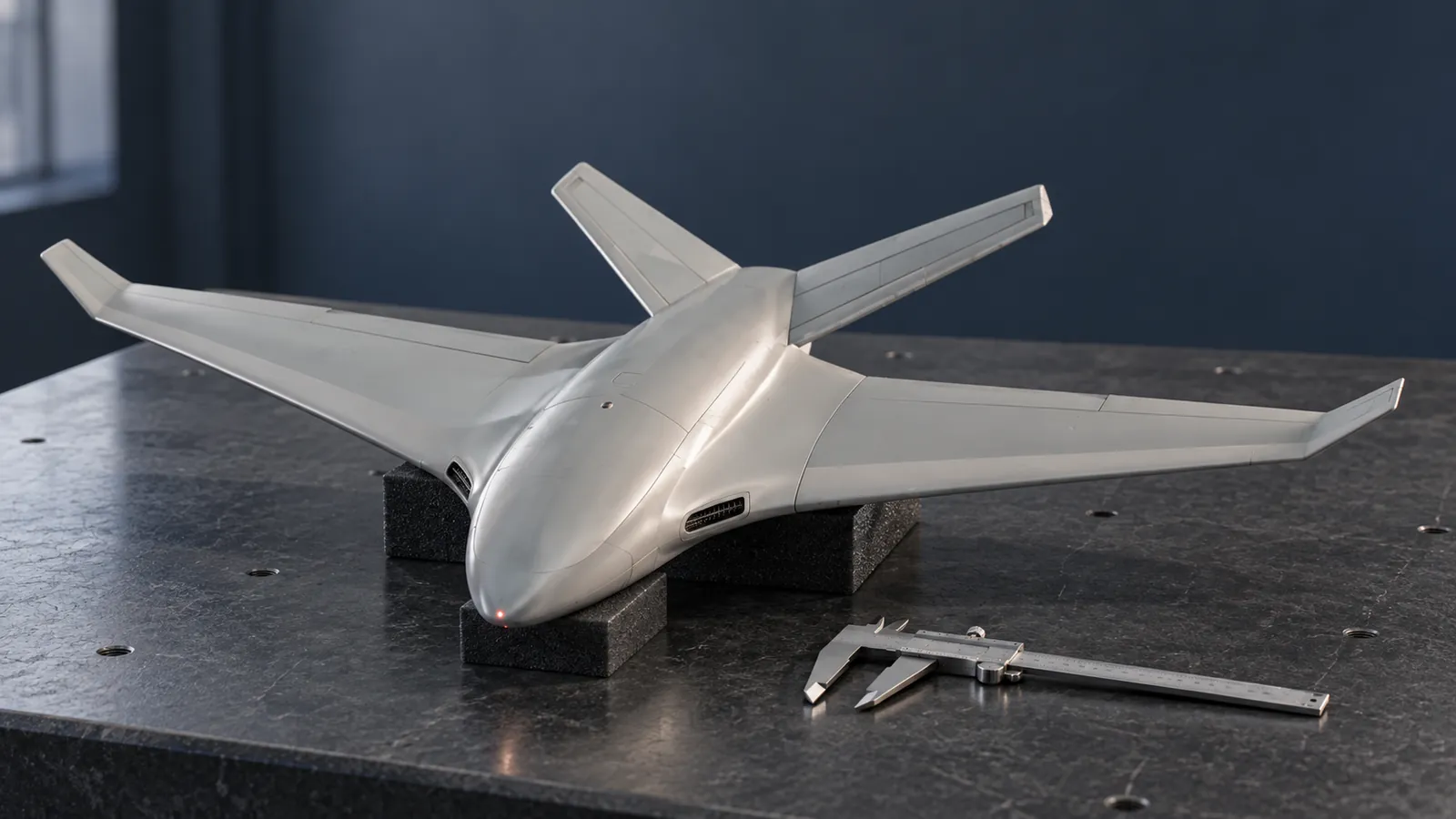
The fixed-wing UAV uses the lift of the wing and saves energy in horizontal flight. VTOL combines vertical mode and airplane flight, which adds complexity to mechanics, control and maintenance.
The main limitations are related to the site, wind, weight and crew requirements.
In operation, the choice of scheme is reflected in the preparation: how many people are needed for the launch, how the device is transported, where it lands, how long it takes to restart and how the structural members are maintained.
For regular missions, it is not the record flight that is important, but the repeatable procedure. If the crew spends a lot of time each time launching or searching for a site, efficiency decreases.
The mistake is to choose a scheme based on advertising range.
Before choosing a scheme, determine:
Practical conclusion: fixed-wing and VTOL configurations are not competitors at all, but different responses to different restrictions. The right choice comes after analyzing the mission and operation.
Featured article
How NEXUS connects perception, memory and forecasting across robots in a distributed reasoning process, from assessing a situation to coordinated action.

Featured article
Autonomous navigation reduces manual operator workload when route planning, sensors, state monitoring and contingency modes are designed together.